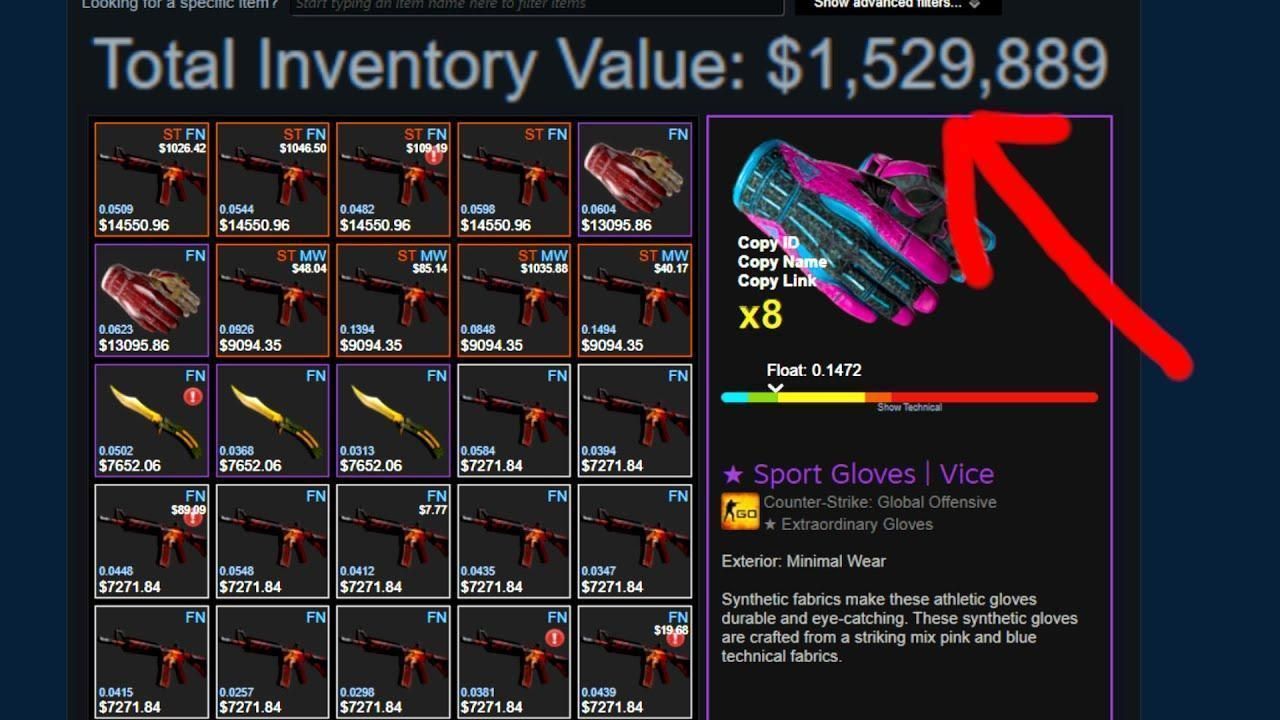
Why Are CS2 Skins So Expensive?
When the Counter Strike match comes down to two players, winning with a skillful switch to the bayonet stays in the minds of spectators for a while. But if that knife were a karambit with a glint of sapphire blue, it would likely enhance the memory further, making that moment seem all the more epic.
For some reason, the world’s best CS2 players always seem to have some fancy item or skin, and even when we know having that same item won’t make us anywhere near as skilled, we still end up wanting something like it. It’s not until we decide to check on how much it costs that we get dragged back to Earth.
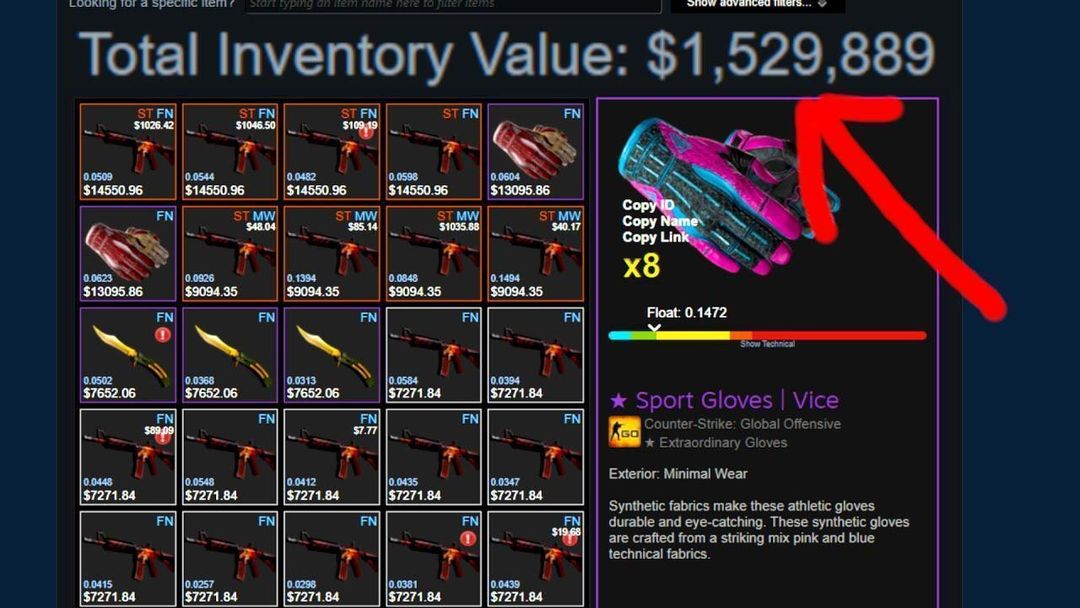
The truth of the matter is that CS2 skins, after being introduced in the Arms Deal Update in 2013, have skyrocketed in price to reach astronomical levels, with the question begging to be asked: Why are CS2 skins so expensive?
What Makes a CS2 Skin Worth More?
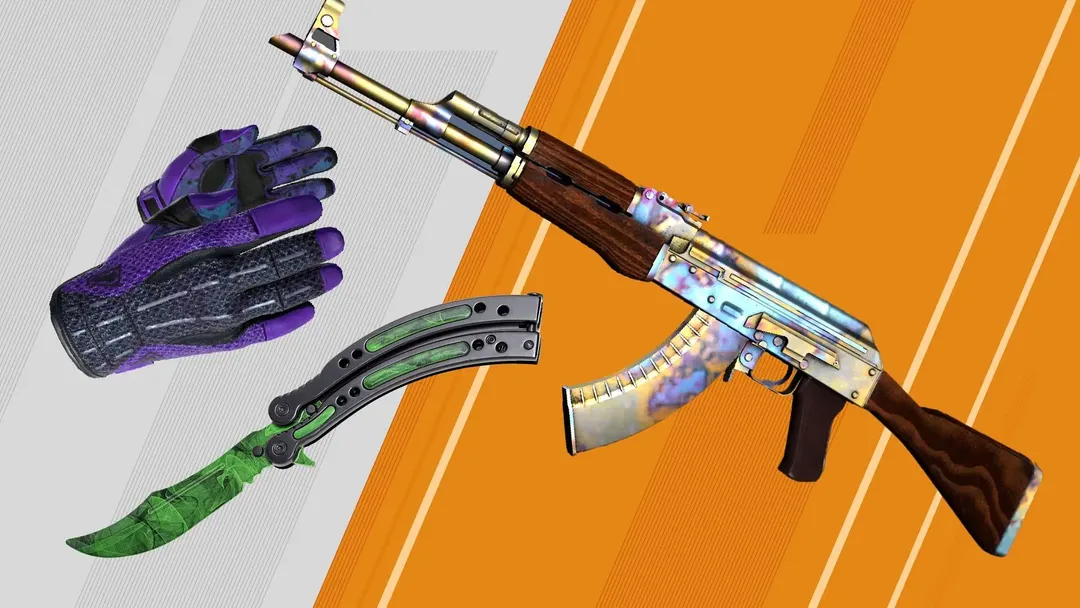
Let’s get this out of the way first. Not all CS2 skins are expensive, and two items with seemingly identical aesthetics don’t necessarily mean they have the same value.
Various factors come together, and the result of all of them determines a skin’s actual worth. Let’s break them down by looking at these factors and how they come together.
Rarity is King
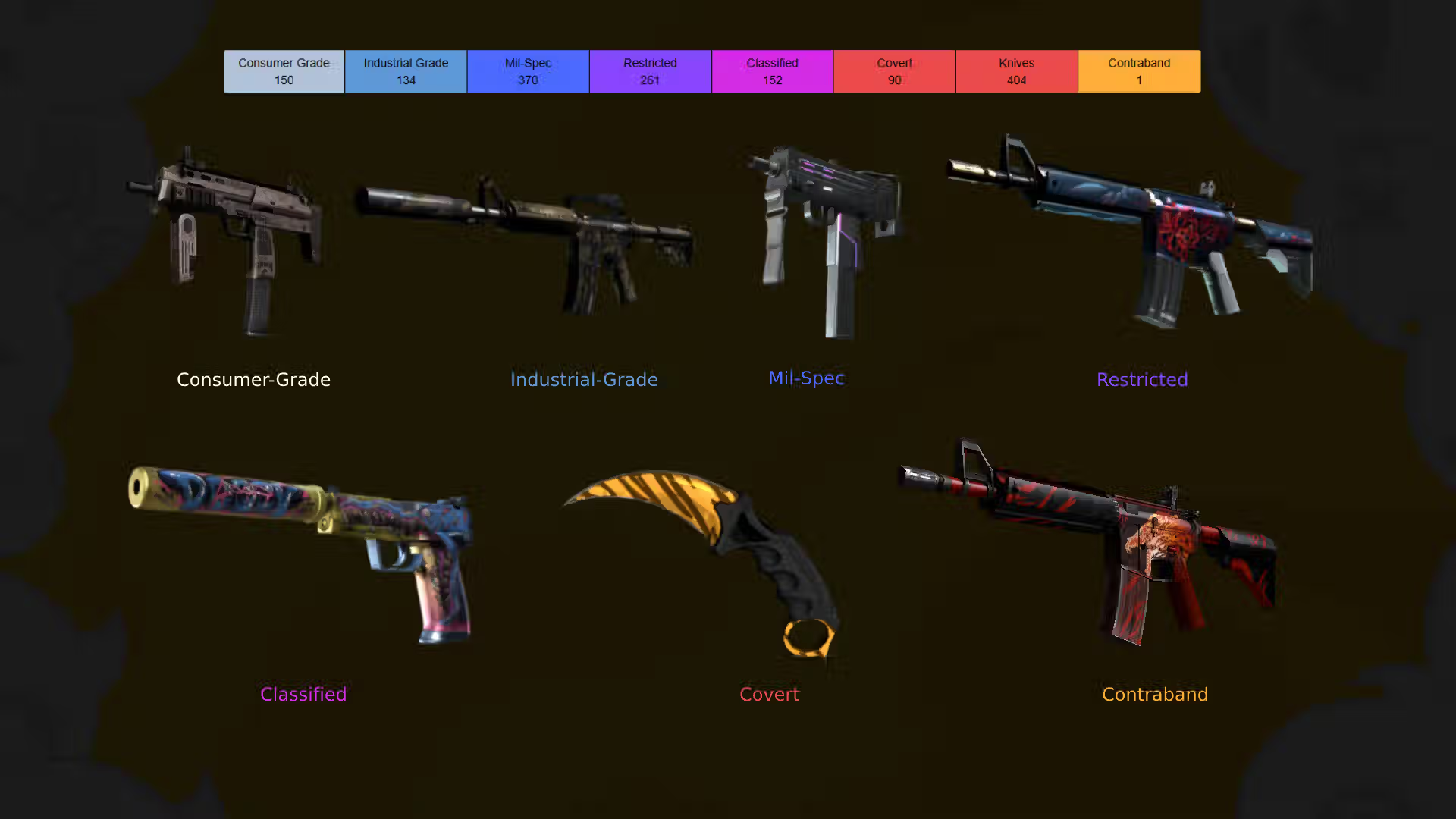
In the world of video games, item rarity is nothing new, and new CS2 skins are no different. Item rarity ranges from Consumer to Covert, represented by the color white to red. The higher the rarity, the more difficult it is to obtain from cases.
There’s also the Exceedingly Rare tier, which is gold in color, but there are even fewer of these, and they apply only to gloves and knives. There’s also the Contraband rarity, which was removed from the game. To demonstrate the difference in value, a gold-tier AWP Dragon Lore is worth in the thousands, while a blue AWP skin may not even be worth $10.
Float Values Represent Item Purity
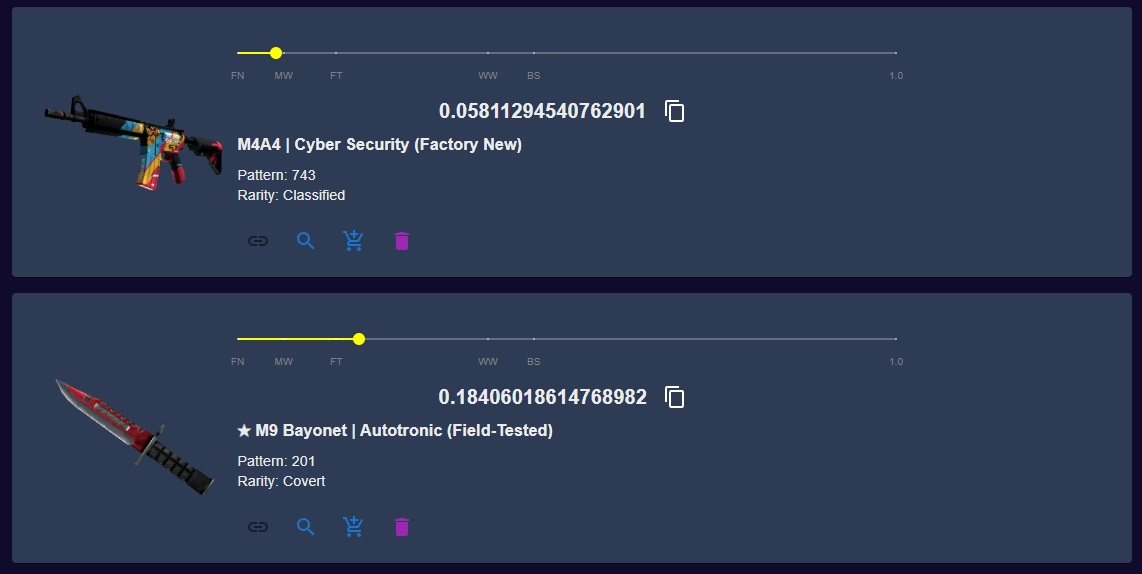
The next factor we have is an item’s Float Value. Each item has its own float value, which you can view by checking its condition. This value will be a number between 0 and 1.
A value closer to 0 is in better condition, and gets worse the closer it is to 1. There are five general ranges, and even if the difference in Float Value seems minor, a difference of 0.06 could mean as much as a few thousand dollars in a skin market.
Take a look at the Float Value ranges below.
| Category | Float Value | Description |
|---|---|---|
| Factory New | 0.01 - 0.07 | Item is in perfect condition with fine detail and vibrant colors. Most valuable among skins. |
| Minimal Wear | 0.07 - 0.15 | Exceptional looks but with a few light scratches. Often the choice for players and collectors. |
| Field-Tested | 0.15 - 0.37 | Wear and tear is easy to spot, but the overall design is intact. |
| Well-Worn | 0.37 - 0.45 | A lot of visible scratches along with obvious fading. |
| Battle-Scarred | 0.45 - 1.00 | The level of wear is prominent, greatly affecting the appearance. |
A Device for Randomization Created a Real Gem
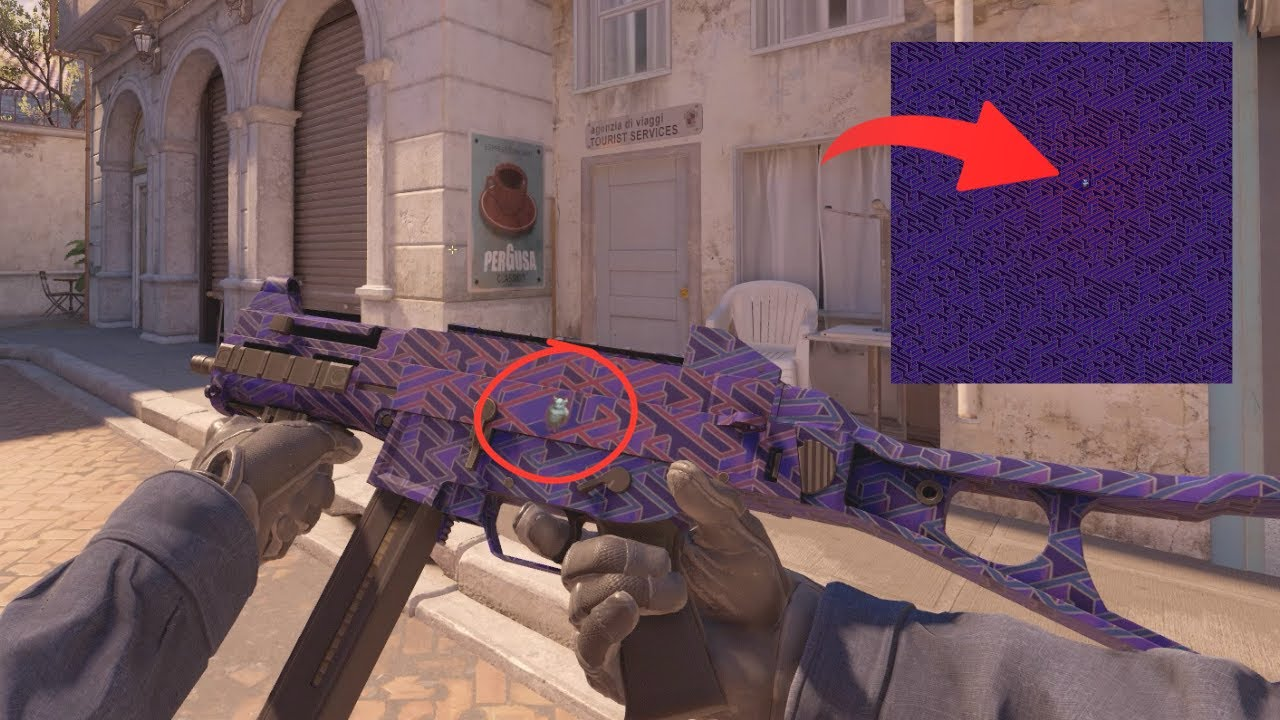
Valve developed a method to create uniqueness among different skins by using 1000 patterns that determine how each skin wraps around an item. This system, known as the Pattern Index, effectively creates items that appear unique.
Due to this system, some patterns resulted in a more concentrated distribution of specific colors on the skin surface. The “Blue Gem” came about when a skin wrapped just perfectly on a weapon, producing a solid blue color on the item's surface.
If you have a Blue Gem but the item is of a blue rarity and has a Float of 0.60, then it’s probably worth just a few hundred dollars at most. A rarer Blue Gem, on the other hand, could go up to over $100,000, but a pristine top-rarity Blue Gem would go well over a few hundred thousand and may even reach a million or more.
A Game Engine Brought a Whole Market to Life
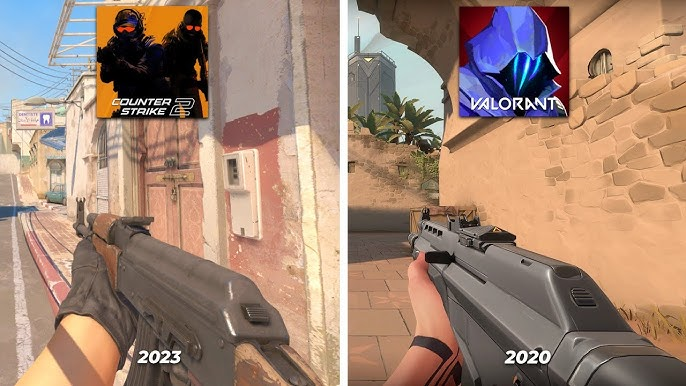
After the announcement of CS2, the skin market was gripped with uncertainty about the impact on valuable skins. The result was far from what many feared, and while the market entered a short period of volatility, skins in general soared in value.
The Source 2 engine, with its improved graphical quality and lighting effects, enhanced the visual quality of skins and made it easier to appraise each item. This led to a boost in confidence, and after going through the turmoil of market uncertainty, CS2 skins also became a time-tested commodity.
Some skins became even more expensive as time went by, such items include older knife skins that could no longer be obtained due to their cases being discontinued. This proved that CS2 skins were commodities that grew in value instead of depreciating.
Soon, enthusiasts and investors appeared; these people were tracking item prices and analyzing price history to identify market patterns and identify the next big investment. It’s no longer just a matter of in-game aesthetics; it’s become a whole industry of its own.
Upgrade Your Game and Match Style to Skill
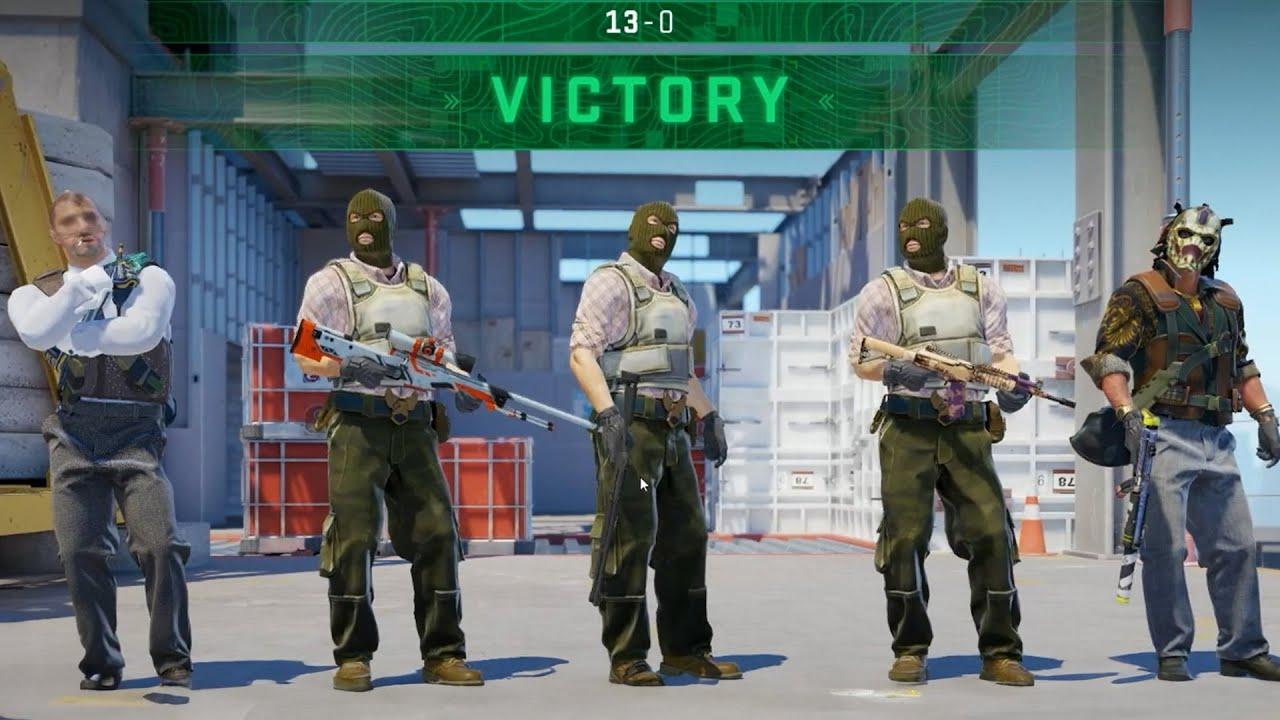
Owning epic gear doesn’t mean you’ll be performing in equally epic measure. Wouldn’t you want to? Great-looking gear lends a certain degree of legitimacy, and we all know that clothes can make a man. But wouldn’t it be just great if you could perform as masterfully as you look?
Then go ahead and master the game. Having the skill and confidence, and knowing how to win, is equally valuable as any legendary gear. That’s exactly what you can get with WeCoach.
Our coaches are experts who will help you develop your mastery of the game from mechanics to strategy, and help you develop the mindset of a champion. Explore our CS2 Coaching Plans to unlock your true potential. Soon, you’ll perform just as legendary as the gear you wear.
Barry is a gaming writer and former high-elo player covering coaching tips, champion guides, and esports news.
All articles by BarryTurn knowledge into rank
Get a verified pro to review your gameplay and give you a plan.