Dota 2 Ranks, MMR, Distribution, Tips, and More

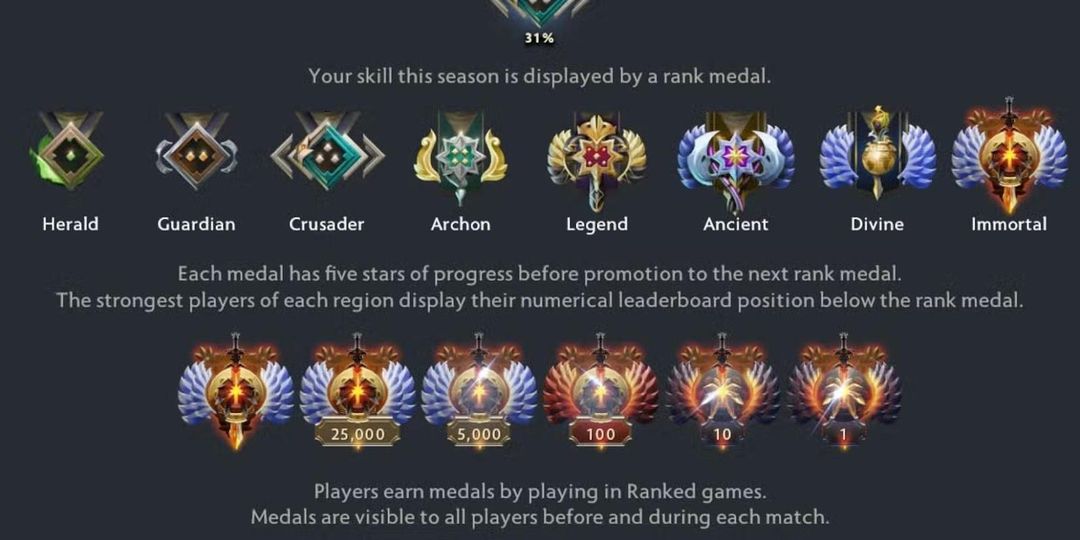
Table of Contents
The Dota 2 ranking system shows your skill in gameplay and decision-making. What counts most in tough ranked matches is tracking progress, from beginner level to elite tiers. The real drive? Rank symbols, the unseen MMR value matching players in fights, and how these levels divide up the player base. Grasping this is the key to ascending the competitive ladder.
Medals and MMR Mechanics
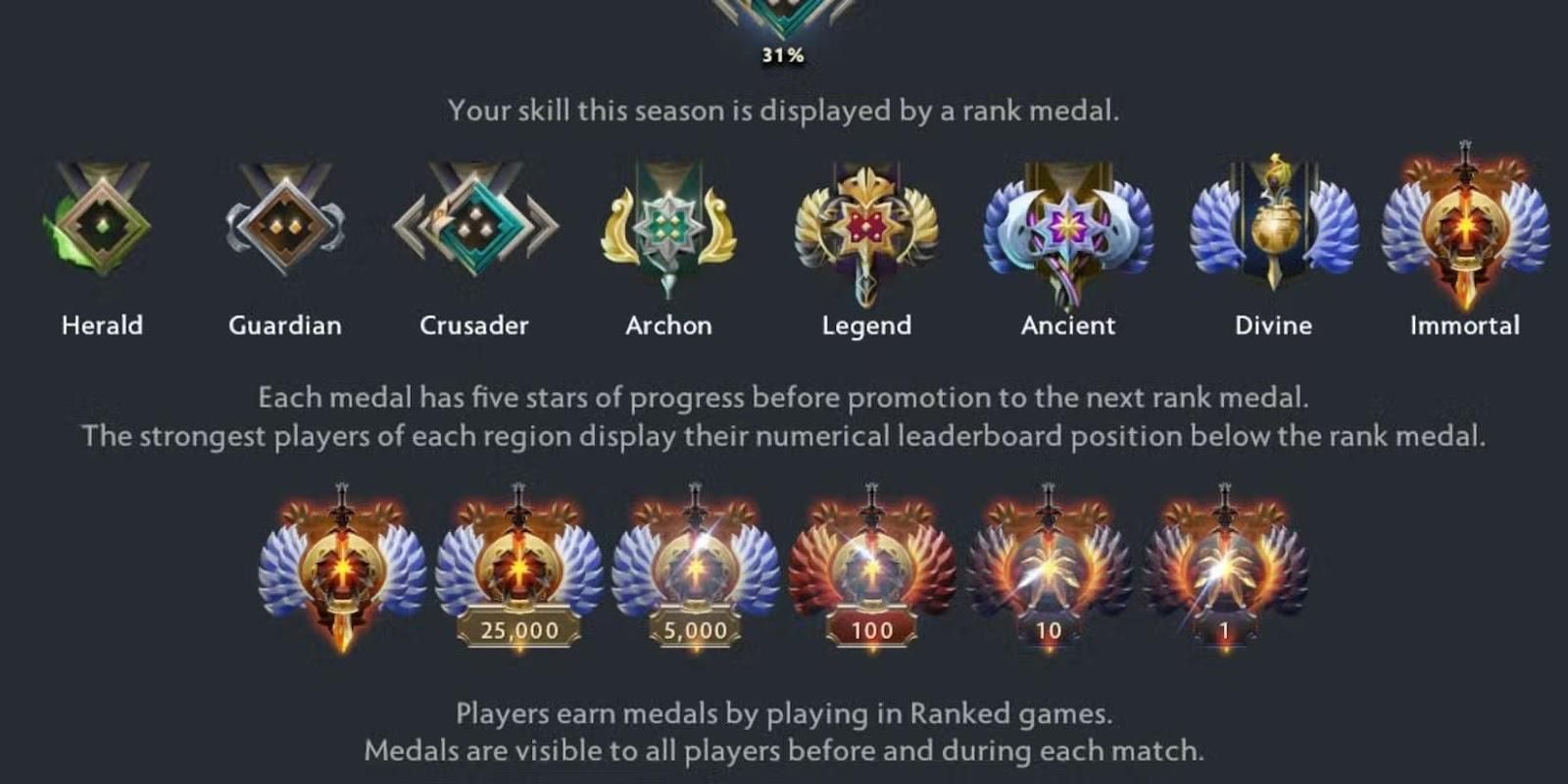
The Dota 2 rank system consists of two parts: a badge that shows your rank, and MMR, which tracks your progress through calibration matches. Your profile displays one of eight badges: Herald, Guardian, Crusader, Archon, Legend, Ancient, or Immortal, with each below Immortal divided into five stars. Fill those stars using solid performance, then you advance upward.
This is a hidden value that MMR changes after every ranked game. If you win, it goes higher; if you lose, it drops lower. Your rank badge gives people an idea of your level - this affects who you get matched against.
Dota 2 tracks a pair of separate MMR numbers using its role-focused matchmaking: Core plus Support. The first ties to your primary hero category, while the second serves as a counterpart. Ranks update on their own when you stick to specific roles. There’s no mixing between them; it keeps each one isolated.
Core MMR
Ties to your performance playing carry, mid, or offlane; how fast you gather gold every minute makes a difference. Succeeding lets you pick up helpful items that directly affect this number.
Support MMR
Helping teammates stay alive, grabbing control points early, yet setting up supplies when needed; that’s what lifts your rank in MMR. How steady you are as a support, reviving friends fast, staying sharp under pressure instead of fading late, hits harder than flashy kills ever do.
Your profile badge highlights your current best score, whatever path led you there. Rather than feeling trapped, pick a single role to dive into, or keep things balanced across two.
Calibration and Placements
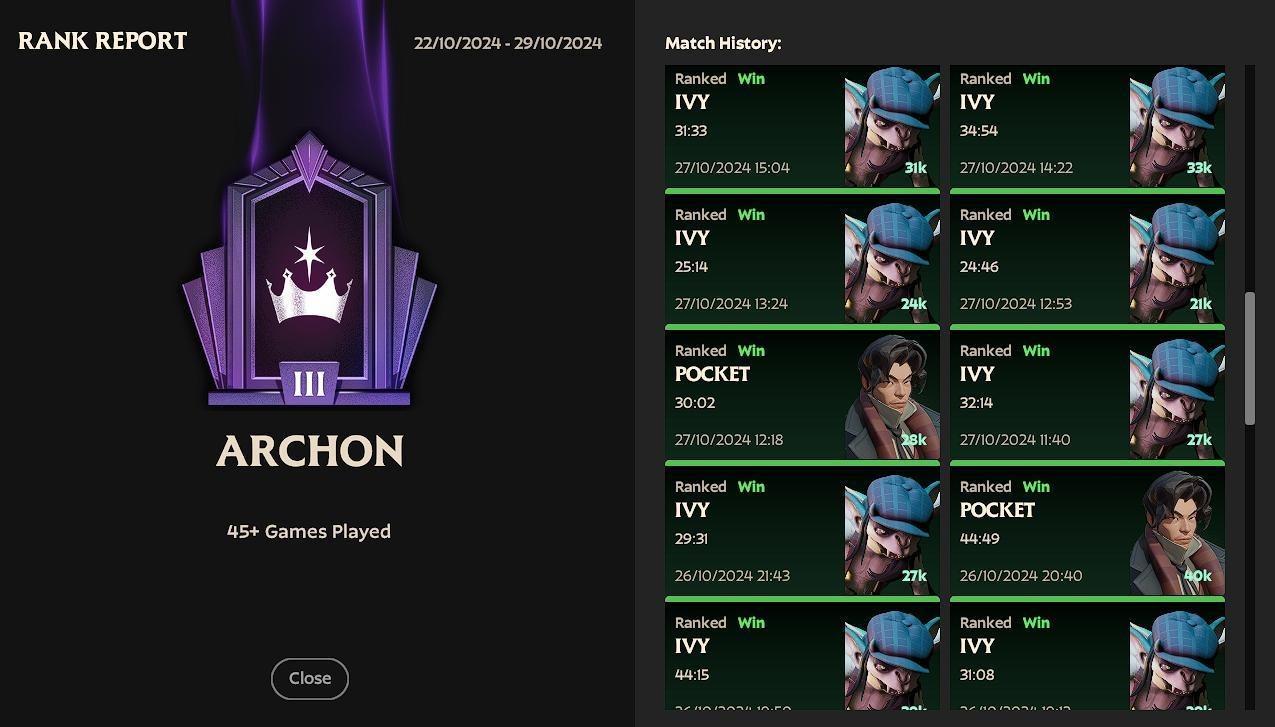
Before starting your climb, finish the rank calibration process, which comes after hitting 100 hours in regular matches. Getting into Ranked means putting in that time without shortcuts. When it finally opens up, jump into ten placement matches; these shape where you stand at first.
While calibrating, the system keeps an eye on how you play overall. Instead of guessing, it checks things like hero damage, gold earned each minute, experience gain per minute, plus how much healing you do to set your initial MMR. Those first ten games act as your skill showcase.
Every time a new ranked season begins, usually every half year, you can reset how you're ranked. Resetting gives you a shot to match your badge up with your actual skill level if you've gotten better since last season.
Rank Distribution
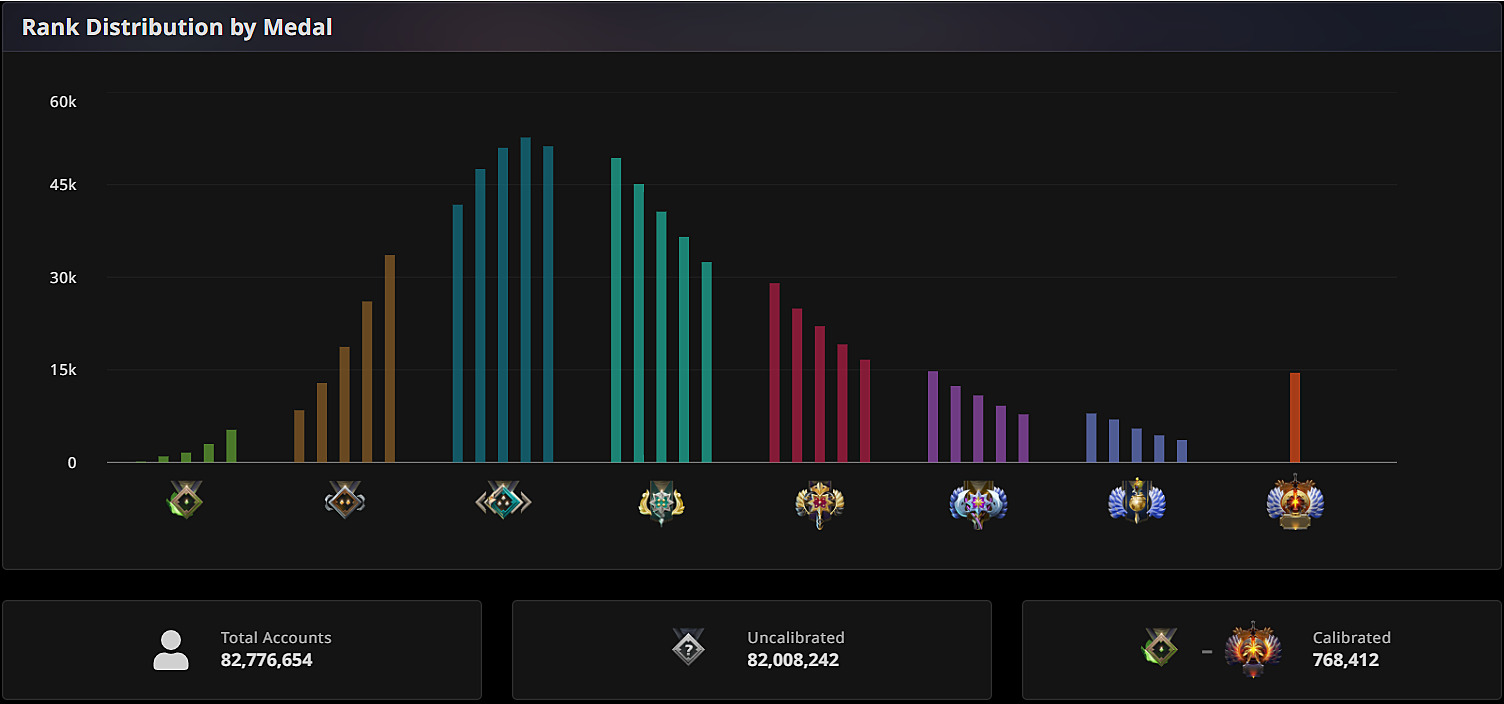
The Dota 2 crowd stretches from low to highest rank like a smooth hill; most bunch up around the center. Only a few climb to the top levels, which are hardly anyone. Players often land in Archon, right where most skills balance out. Making it to Legend or Ancient means you're clearly past the common pool.
| Medal | Approximate MMR Range | Percentage of Players |
|---|---|---|
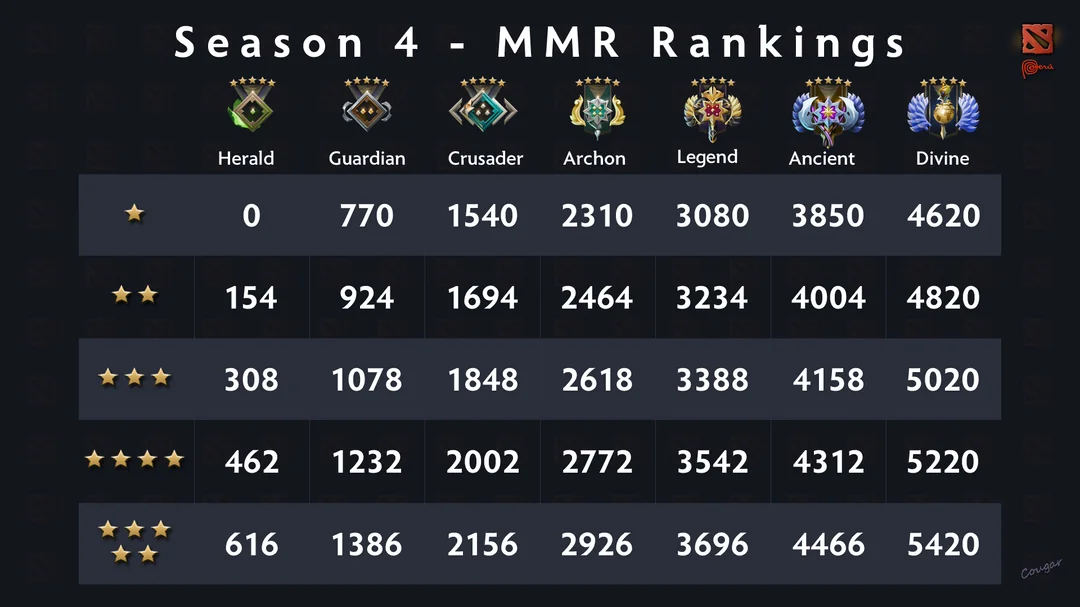
| Herald | 0–769 | 7.34% |
| Guardian | 770–1539 | 15.68% |
| Crusader | 1540–2309 | 22.49% |
| Archon | 2310–3079 | 22.75% |
| Legend | 3080–3849 | 16.31% |
| Ancient | 3850–4619 | 8.94% |
| Divine | 4620–5419+ | 4.58% |
| Immortal | 5620+ (Leaderboard) | 1.91% |
MMR Ranked Queue Options
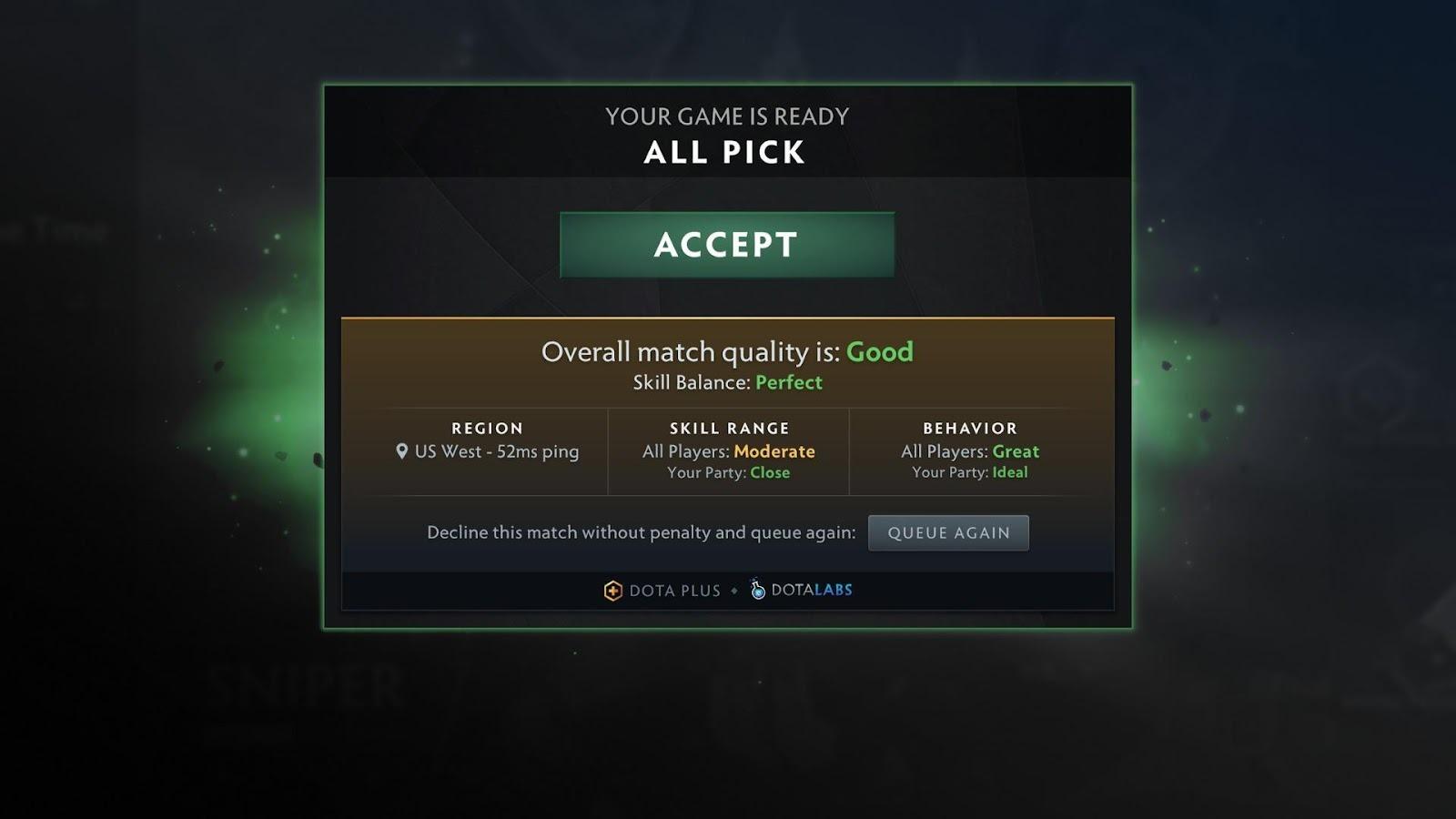
Role Queue
You pick a role. Core or Support before you start looking. The setup helps the team balance by matching players who chose different but fitting parts. Getting a win in this mode changes your matchmaking rating just for that particular role.
Classic Ranked
Roles get picked while drafting, no set assignments upfront. It’s flexible, yet needs solid teamwork to build a well-rounded team, with gear and character picks changing on the fly.
A normal solo win or loss moves your MMR around by maybe 30. When playing in groups, the change drops to near 20. Going on a roll? That pushes you up faster than any single big result ever could. Rank climbing works step by step, not in leaps.
Matchmaking Quality Behavioral Score
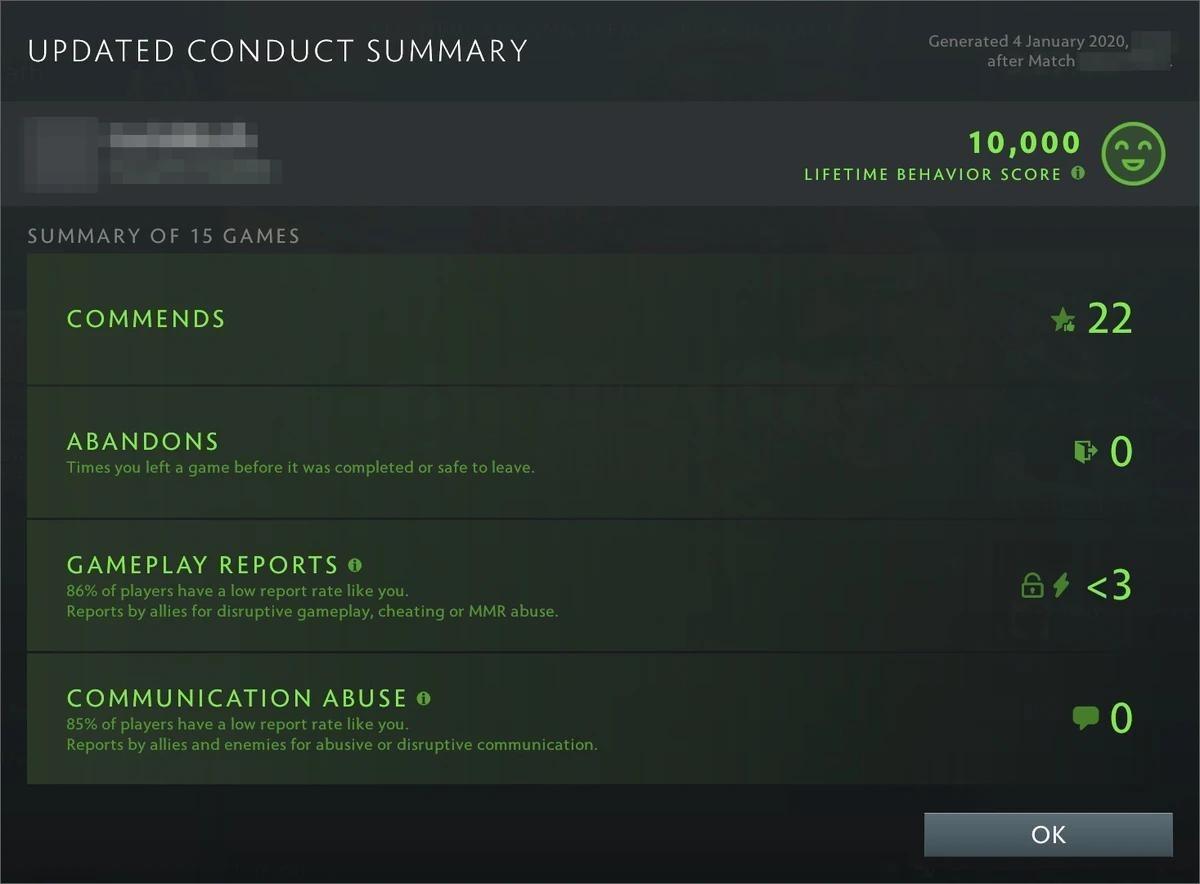
Your actions shape how you’re matched up. If you want ranked games, hit at least 3,000 on the behavior meter; no way around it. That number climbs as high as 12,000, based on how you act during matches, like whether others flag or praise you.
Maintaining a solid rating matters since the setup tries to pair you with folks who stay upbeat while staying in touch. That means smoother matches along with tighter group control. A strong chat score is needed to open up messaging tools, both typing and talking, so playing nicely helps teammates plan moves, share gear, or time powers right.
Immortal as the Ultimate Rank
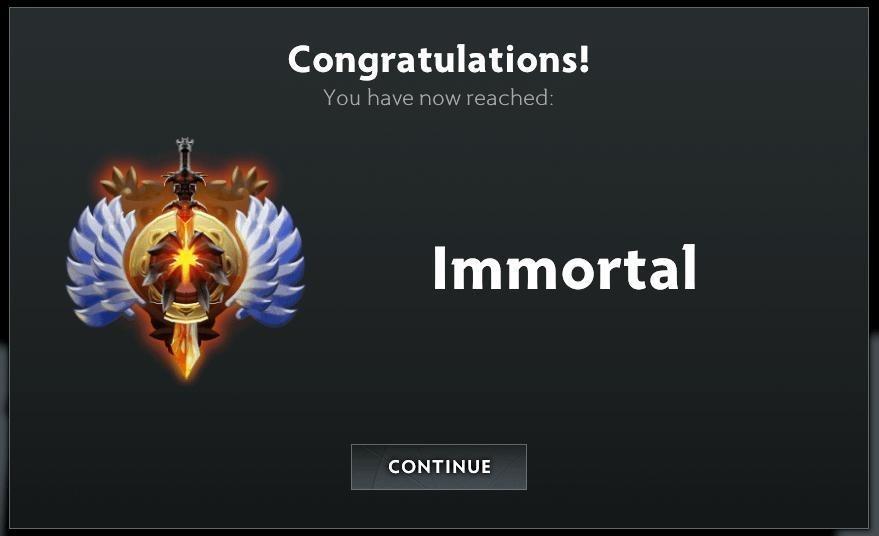
When you hit Immortal, stars get swapped out for a number showing your precise spot on the regional rankings. That figure? It is your competitive standing, where elite players fight for pole position. Being ranked Immoral marks the peak of what you can achieve in Dota 2’s leaderboard.
The Immortal rank sits at the very peak of Dota 2's ranking ladder. Getting there means outperforming nearly every player on the planet, proof of sharp instincts when playing or choosing moves.
Arlo is a gaming content writer and analyst covering League of Legends, Valorant, and competitive esports strategy.
All articles by ArloTurn knowledge into rank
Get a verified pro to review your gameplay and give you a plan.