What Does Elo Mean in League of Legends?
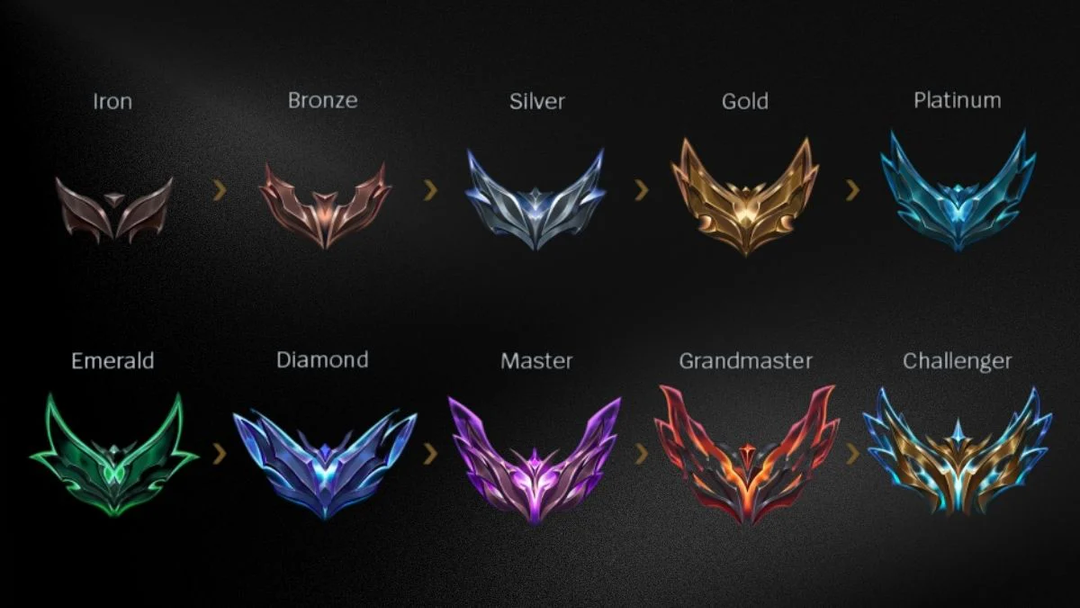
Table of Contents
Every in-game chat has that one player blaming "this low elo team" ten minutes into the match. They type it, and most of them have no clue what the word actually refers to.
Elo is not an acronym, not a Riot invention, and not even something showing up on your profile anymore.
Let’s figure out what Elo and the LoL rating system really mean for you in 2026.
The Chess Professor Behind “Elo”
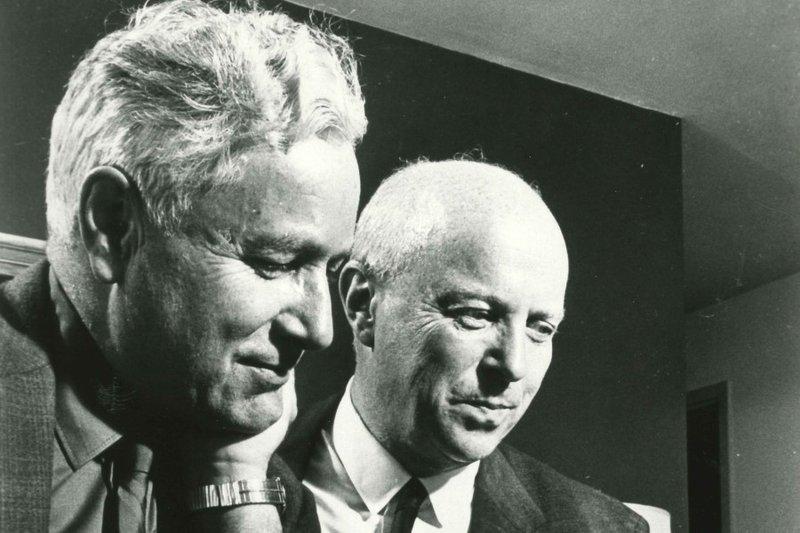
Elo is the last name of Arpad Elo, a Hungarian-American physics professor and chess master who developed the rating system in the 1950s as an upgrade to the older ranking method used by the US Chess Federation.
Every chess rating you have ever seen, every swing after an online chess match, every headline about Magnus Carlsen's 2800+ number, traces back to one statistics paper.
Arpad Elo was fixing older tournament systems that kept getting skewed by uneven opponents and weird schedules. His rating system is a method for calculating players' relative skill levels based solely on wins and losses, and it has aged extremely well.
The Elo rating system predicts the probability of a result between two rated players using only their current ratings, then adjusts both ratings by an amount tied to how surprising the outcome was. Expected win? Small move. Upset win? Big move. It is also self-correcting.
How the Elo Rating System Actually Works
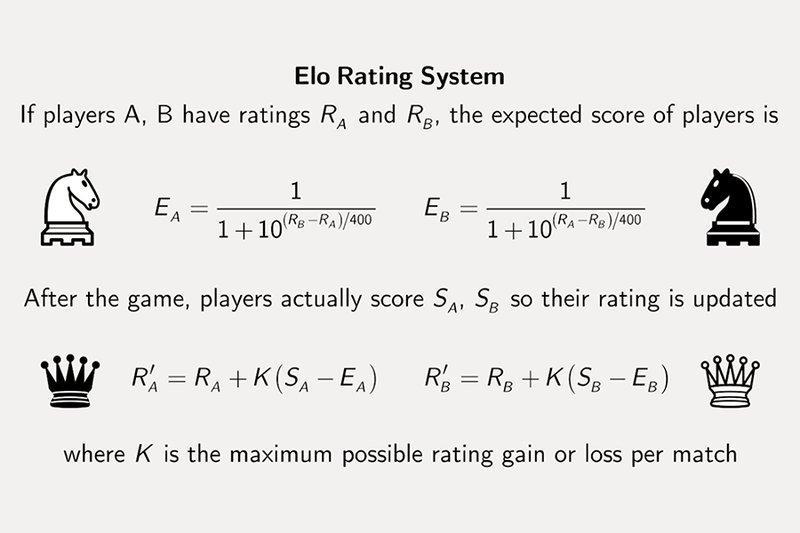
The math can be complex, so here is the short version. An Elo rating system predicts the expected result of any matchup based solely on the gap between two numbers.
A 1400 Elo player meeting a 1600 Elo player is expected to win less than a third of the time. When the lower-rated player wins anyway, the system awards them a chunk of points and docks the higher-rated player with the same amount. Bigger upset, bigger swing.
The speed of those swings is governed by a number called the K-factor. New accounts get a high K, so they land near their real skill fast. Established players get a low K, so one bad night does not wreck months of climbing.
This is the exact same logic Riot Games bakes into League's hidden MMR. You gain or lose more LP when your match result does not fit your expected win rate, and less when it does. If your hidden rating is higher than your visible rank, the system compensates by throwing extra LP your way when you win.
That one mechanic is why smurfs climb so fast, and it is why Chess.com, the USCF, and Riot's matchmaker all share a common ancestor.
Why League of Legends Used the Elo Rating System for Matchmaking
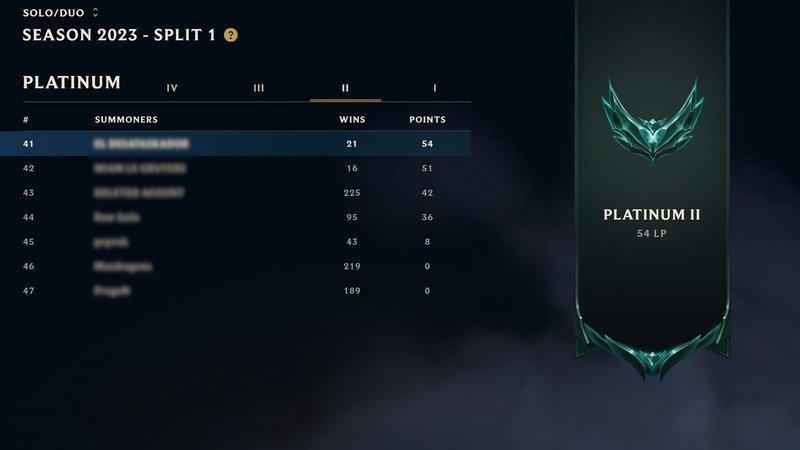
Riot Games needed a system to rank players in competitive games and match players of similar skill levels. Reinventing the base would have been absurd, so they adopted the Elo rating system almost directly out of chess.
From 2009 to early 2013, your visible ranked number in LoL was literally an Elo score.
The problem is that Arpad Elo designed his work for two-player games, not 5v5 team queues. Duo queue adds complexity, too. So in Season 3, Riot made the raw Elo rating system kinda invisible: the frontend with tiers, divisions, and League Points. The backend math stayed.
Elo vs MMR vs LP: What Is Visible to You
Elo, MMR, and LP describe related but distinct concepts. The table below clears the confusion.
| Term | Visible? | What It Represents | Origin |
|---|---|---|---|
| Elo | No | The classic chess rating concept for two-player games | Arpad Elo, 1960 |
| MMR | No | Riot's hidden matchmaking rating, built on Elo principles | Riot Games |
| LP | Yes | League Points earned or lost after each ranked match | Riot Games, Season 3 |
| Division | Yes | Subdivisions IV through I inside a tier (Iron to Diamond) | Riot Games, Season 3 |
| Tier | Yes | The big bucket: Iron, Silver, Diamond, Challenger, and so on | Riot Games, Season 3 |
The Modern Ranking System from Iron to Challenger
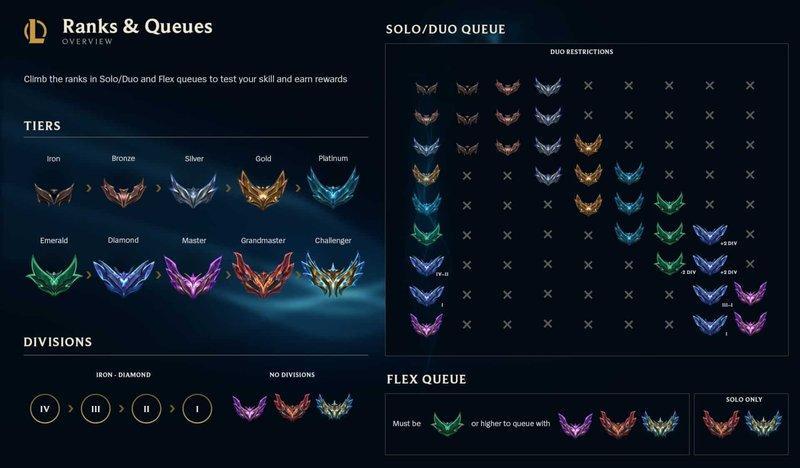
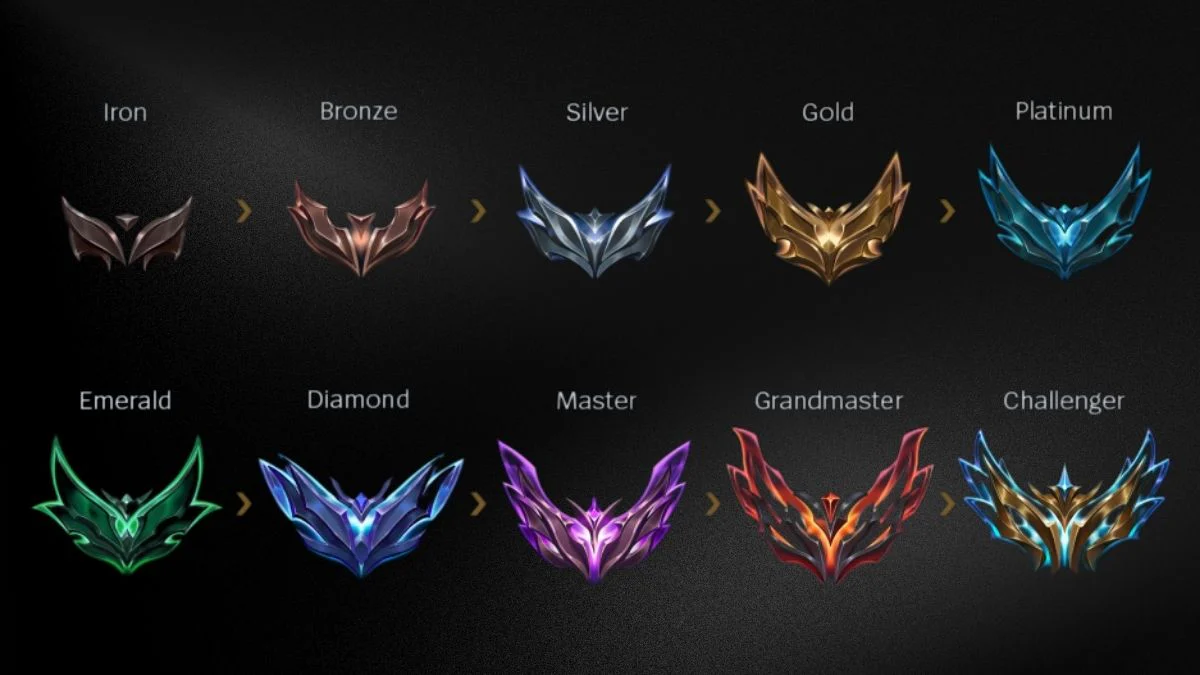
Once the League ranking system took over, old raw Elo numbers got replaced with ten tiers: Iron, Bronze, Silver, Gold, Platinum, Emerald, Diamond, Master, Grandmaster, and Challenger.
Rank distribution data from Season 2026 puts Silver and Gold as the most populated tiers. Master, Grandmaster, and Challenger combined account for less than 1% of the player base. When someone calls themselves high Elo in 2026, they mean Diamond or better.
Riot also recalibrated Iron, Bronze, and Silver for Season 2026 because the average player is simply stronger than they were when those tiers were first introduced.
Elo Hell Is Mostly a Myth (With One Asterisk)
Nothing in League of Legends generates more forum threads than Elo hell. The term refers to a specific stretch of the bottom ranks, where players believe their own skill is irrelevant and bad teammates make climbing mathematically impossible.
The math disagrees. The Elo rating system predicts that a player whose true skill sits above their current rating will eventually climb because the law of large numbers pulls variance out of the equation over hundreds of games. The system is designed to self-correct.
The asterisk: if your rating is too low for your actual level, the climb is slow and painful. This is where coaching earns its keep. Working with a verified Challenger LoL coach can cut months of hardstuck in Elo hell by fixing habits you don’t notice yourself.
How to Raise Your Elo in 2026
If your goal is a real climb and not a vibe check, here is what to do:
- 1. Cut your champion pool. Two or three champions per role, picked for the current patch, beat a twenty-champion library. Smaller pool, faster mastery curve, fewer LP losses from bad matchups.
- 2. Stop queuing on tilt. Two losses in a row mean a stop for the day. The tilt is likely to cause more losses that should have been a victory.
3. Let a coach watch your replays. If you have been grinding the same rank for three seasons, the issue is most likely a habit you have not noticed. A one-hour VOD review with a pro will save you three months of tilted solo queue and pay for itself in saved time and effort.
Barry is a gaming writer and former high-elo player covering coaching tips, champion guides, and esports news.
All articles by BarryTurn knowledge into rank
Get a verified pro to review your gameplay and give you a plan.