What Does KDA Mean in League of Legends?

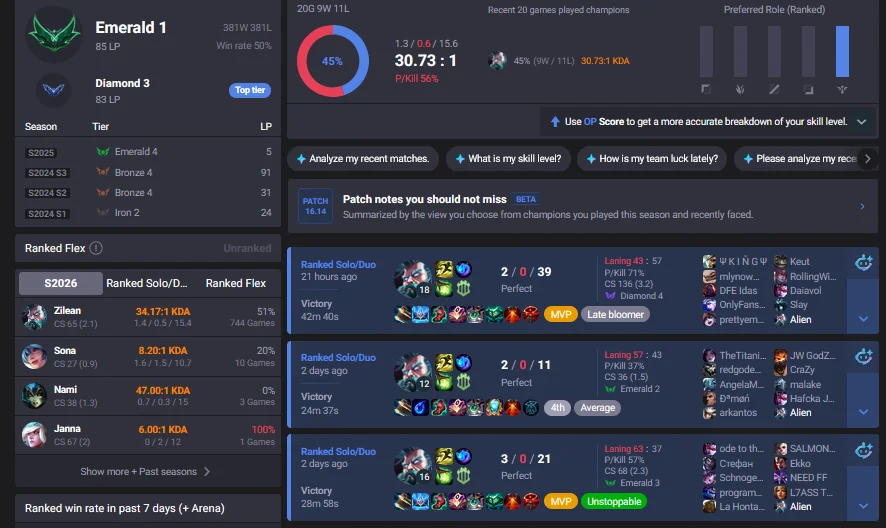
Table of Contents
KDA is the most-glanced-at and most-misunderstood number on the League of Legends post-game screen. Once you know what it actually measures, you can stop treating it like a grade and start looking into the stuff that matters more.
KDA Explained
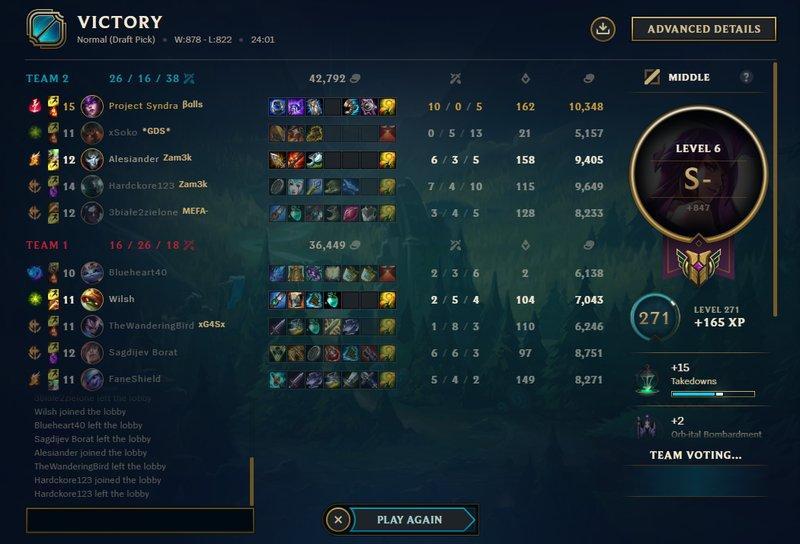
KDA stands for Kills, Deaths, and Assists in a match. A kill is an enemy champion you finished off. A death is each time you’re removed from the Rift by enemy champions, camps, minions, or towers. An assist is whenever you damage or crowd-control an enemy champion within 10 seconds of a teammate securing the kill.
The formula is: (K + A) / D. Twelve kills, eighteen assists, two deaths works out to a 15.0 KDA. When you have a zero-death game? You get a "perfect KDA" since zero cannot be the denominator in Riot’s algorithm.
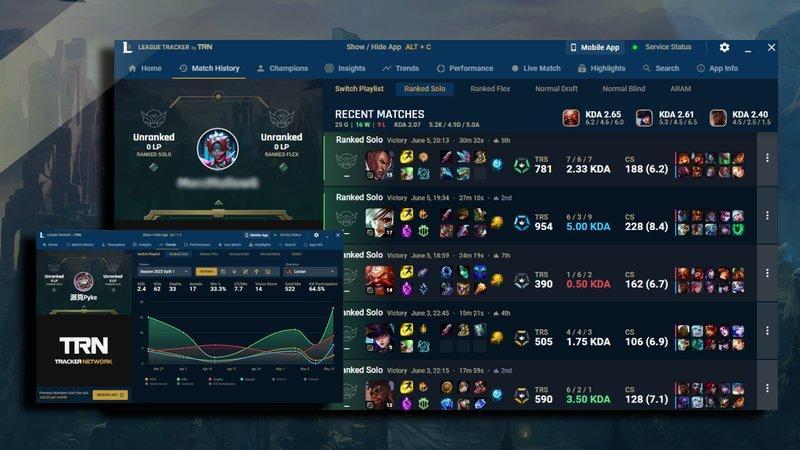
Your KDA is not calculated live in-game. It only renders after, which is why the post-game screen or a third-party tracker are the only places you will see it.
What Is a Good KDA in Ranked?
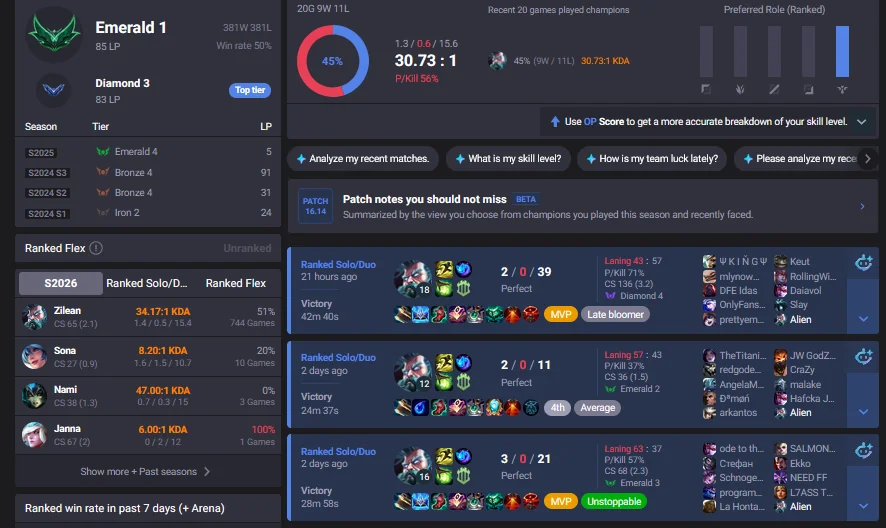
LoL average KDA is just under 1.0. A ratio above 2.0 is when you start to matter. Anything over 3.0 is strong solo-queue output. The 4.0+ mark is where you start climbing consistently.
These ranges shift with each patch and vary widely by role. Junglers and supports post high assist counts by design, while top laners absorbing all the map pressure often sit on higher deaths and lower assists.
But does a good KDA matter as much as you think?
Why KDA Lies About Who's Actually Winning
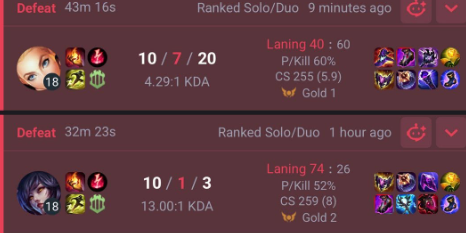
KDA and winning are not the same thing. Only 4 of the top 50 champions by win rate average a 3.0+ KDA. Yuumi sits near a 4.5 lifetime KDA on easy assists alone and still loses more than 50% of games. Farming a 10/1/3 mid lane in a match your team lost because you never contested for objectives and skirmishes? That is a pretty score and nothing else.
Truth is, KDA isn’t as important as these metrics below, but it doesn’t mean you are licensed to go 0/15/0 and ignore your mistakes:
- Kill Participation: your kills plus assists divided by total team kills. 60% or higher means you are showing up to the fights that actually matter.
- Damage Per Minute: output normalized to game length, not raw totals that punish you for playing long games.
- Vision Score: extremely meaningful for supports and junglers, and a direct signal of map awareness for every role.
- CS Per Minute: 7 and above is the Emerald-bound benchmark for solo laners and ADCs.
If your KDA keeps climbing but your win rate stays flat, the problem is not your mechanics. It is your decision-making, and that is the exact gap that coaching tends to close.
How to Improve Your KDA and Win Rate
The worst thing you can do after reading this article is tower-hug all game to protect a number. The best players improve their KDA by controlling risk rather than avoiding it. Three habits that actually move the needle:
Respect power spikes. Most deaths happen in mismatched item states. Know your first-item timing and your lane opponent's, then fight the instant yours lands and theirs is still a wave away.
Track the jungler. If you have not seen them in 20 seconds, assume they are on top of you. The Patch 26.1 notes pulled minion spawns forward to 0:30 and added Faelights, Riot's new powered wards, which means early-game ganks are hitting harder than they did last season. Vision got more valuable, not less.
Review your deaths, not your highlights. Your own VODs are the cheapest coaching on the planet. You will learn more from one minute-14 death replay than from ten pentakill clips, because the pentakill was probably a coin flip and the death was almost certainly a pattern.
Barry is a gaming writer and former high-elo player covering coaching tips, champion guides, and esports news.
All articles by BarryTurn knowledge into rank
Get a verified pro to review your gameplay and give you a plan.