Marvel Rivals Ranks, Ranking System, and Distribution
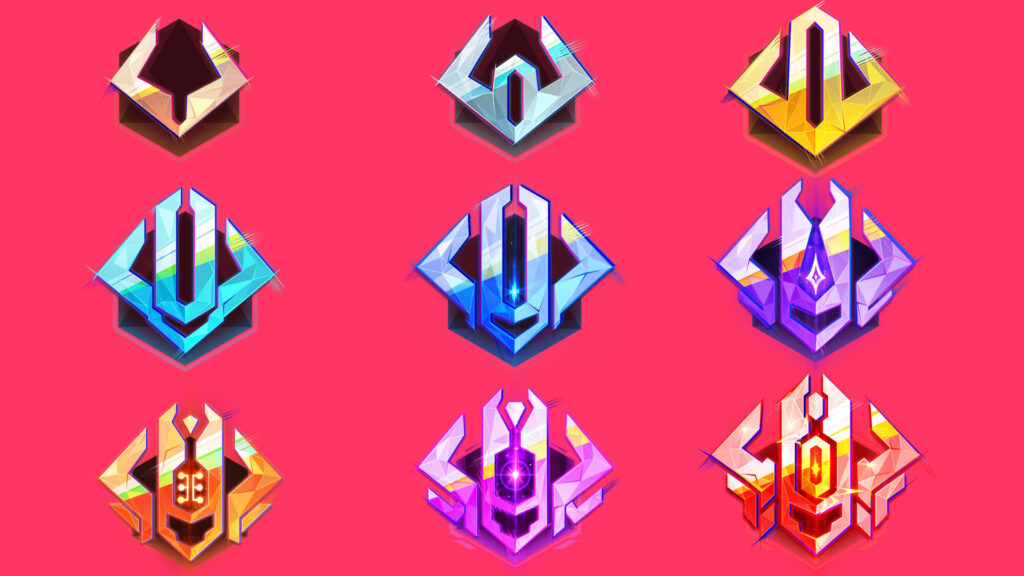
Table of Contents
Nine tiers, 23 ranks, one ladder, and a Season 7 rework that quietly changed how placements are scored. It's a lot. So, to make things incredibly simple, I'll be breaking down exactly how Marvel Rivals ranked works as of May 2026 (Season 7.5), who sits at every rank, and what you get for climbing before the season ends.
All Marvel Rivals Ranks in Order
First off, the ranks...
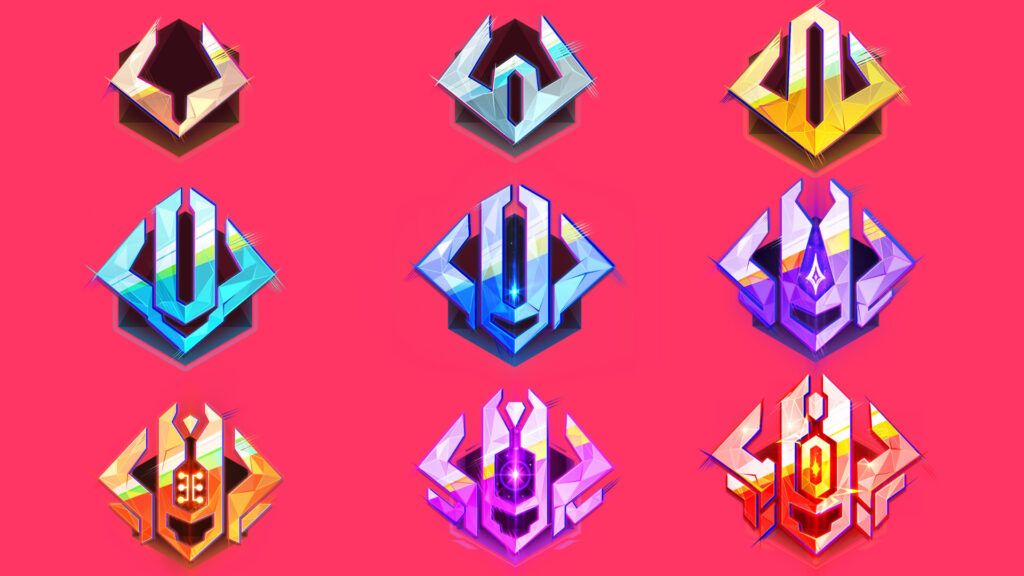
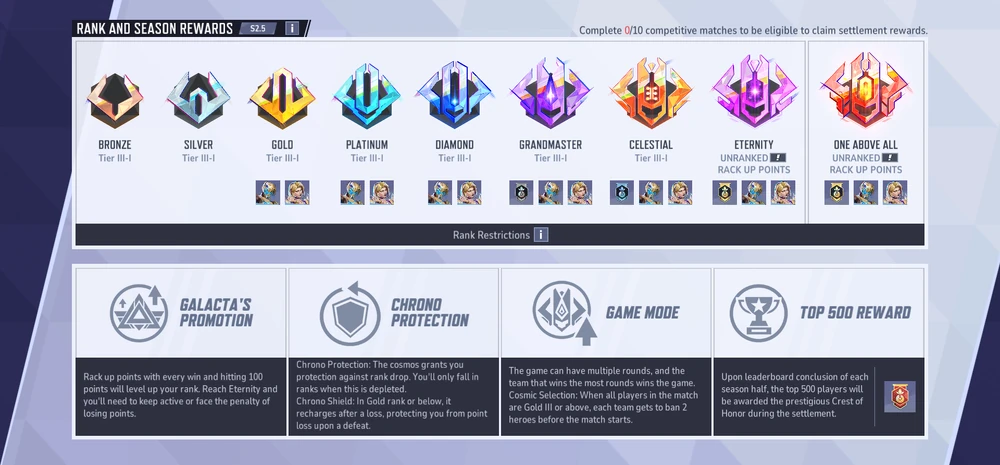
Marvel Rivals splits ranked play into nine tiers. The first seven tiers each contain three divisions (III to I, where I is the highest), and the top two tiers sit above the division system entirely.
Every rank up to Eternity takes 300 rank points to clear, split across three divisions of 100 points each. Beyond Eternity, though, the game stops using divisions and ranks you based on your raw points and leaderboard position, instead.
| Tier | Divisions | RP to Clear Tier | Notes |
|---|---|---|---|
| Bronze | III, II, I | 300 | Starting tier for new players |
| Silver | III, II, I | 300 | 100 rank points per division |
| Gold | III, II, I | 300 | First ranked reward threshold |
| Platinum | III, II, I | 300 | Serious ranked play begins |
| Diamond | III, II, I | 300 | Hero ban draft phase unlocks |
| Grandmaster | III, II, I | 300 | Where most climbs stall out |
| Celestial | III, II, I | 300 | Rank decay begins to bite |
| Eternity | No divisions | Leaderboard points | Pure rank point race |
| One Above All | Top 500 only | Top 500 leaderboard | Seasonal top cut |
In total, that's 23 individual ranks to push through if you want to see the very top of the leaderboard. Not an easy task, I'd say!
How Marvel Rivals Competitive Mode Works
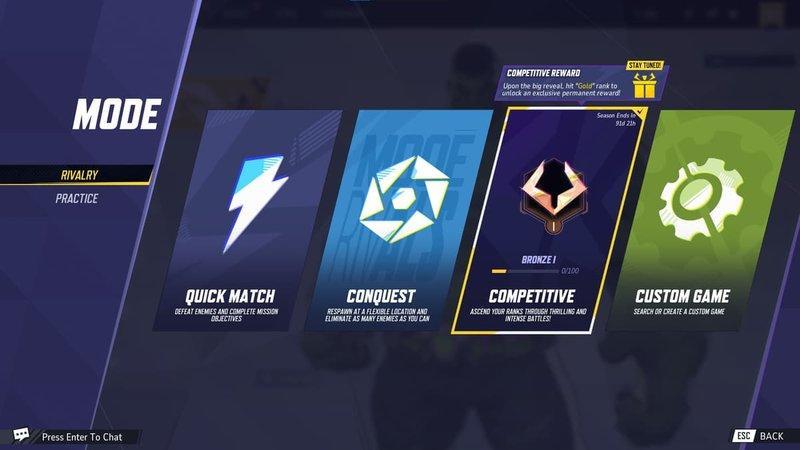
When it comes to Marvel Rivals' competitive mode, it's completely separate from Quick Play, with its own matchmaking pool and its own draft phase. The idea behind the mode is simple: play enough ranked matches, climb based on wins and individual gameplay, and hit the highest rank you can before the season ends.
From Gold III onward, matches begin with a draft phase where each team bans heroes before picks start. That ban count jumped from two to three per team in the Season 7 patch, and the ban window was trimmed to 15 seconds. That draft is where half the mind games happen before the match starts.
Season 7 also restructured placements. Your 10 placement matches now adjust your rank based on individual performance rather than on whether your teammates carried you. After those placements, you land somewhere between 100 rank points below and 100 rank points above your seasonal starting tier. If you are a support main, like me, who farms assists and avoids your deaths, that change quietly works in your favor!
Marvel Rivals Rank Distribution
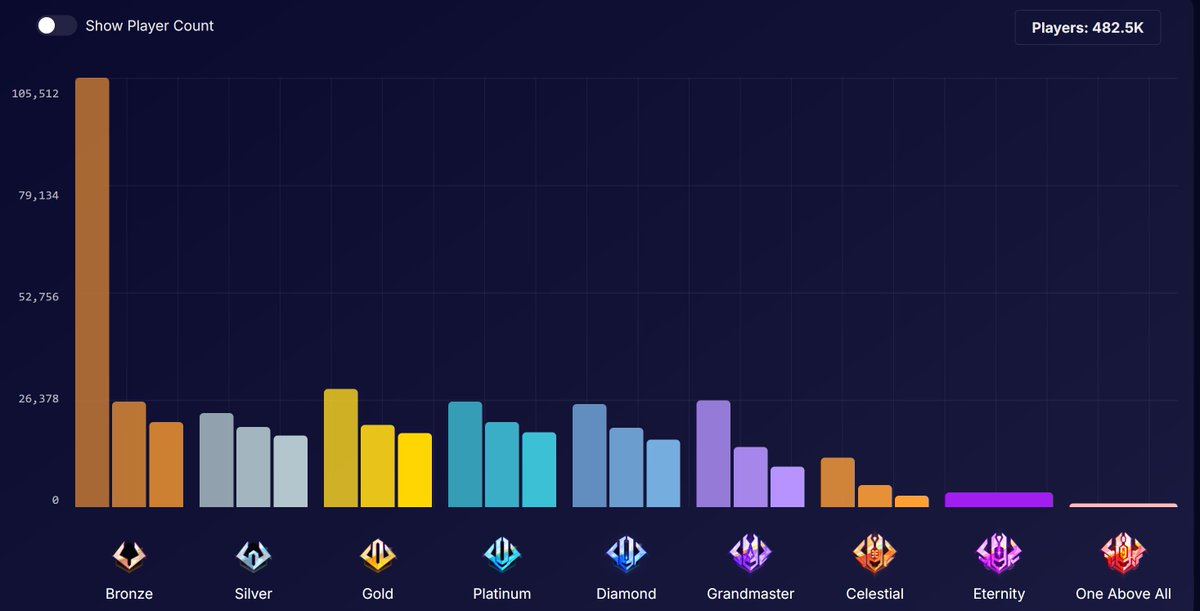
Here is a snapshot of the rank distribution of the Marvel Rivals player base in April 2026, and it’s subject to daily variance:
- Bronze: 24.68%
- Silver: 9.69%
- Gold: 12.35%
- Platinum: 13.69%
- Diamond: 15.66%
- Grandmaster: 15.46%
- Celestial: 6.82%
- Eternity: roughly 1.5%
- One Above All: about 0.1%
The average and median Marvel Rivals player sits around Platinum, while the top tiers stay tiny because Eternity and One Above All require thousands of grindy ranked points against increasingly stacked lobbies.
That being said, though, if you are stuck and want to climb the ranks, WeCoach has Marvel Rivals coaches who'll fast-track you past the wall.
Rank Points, Divisions, and How to Climb
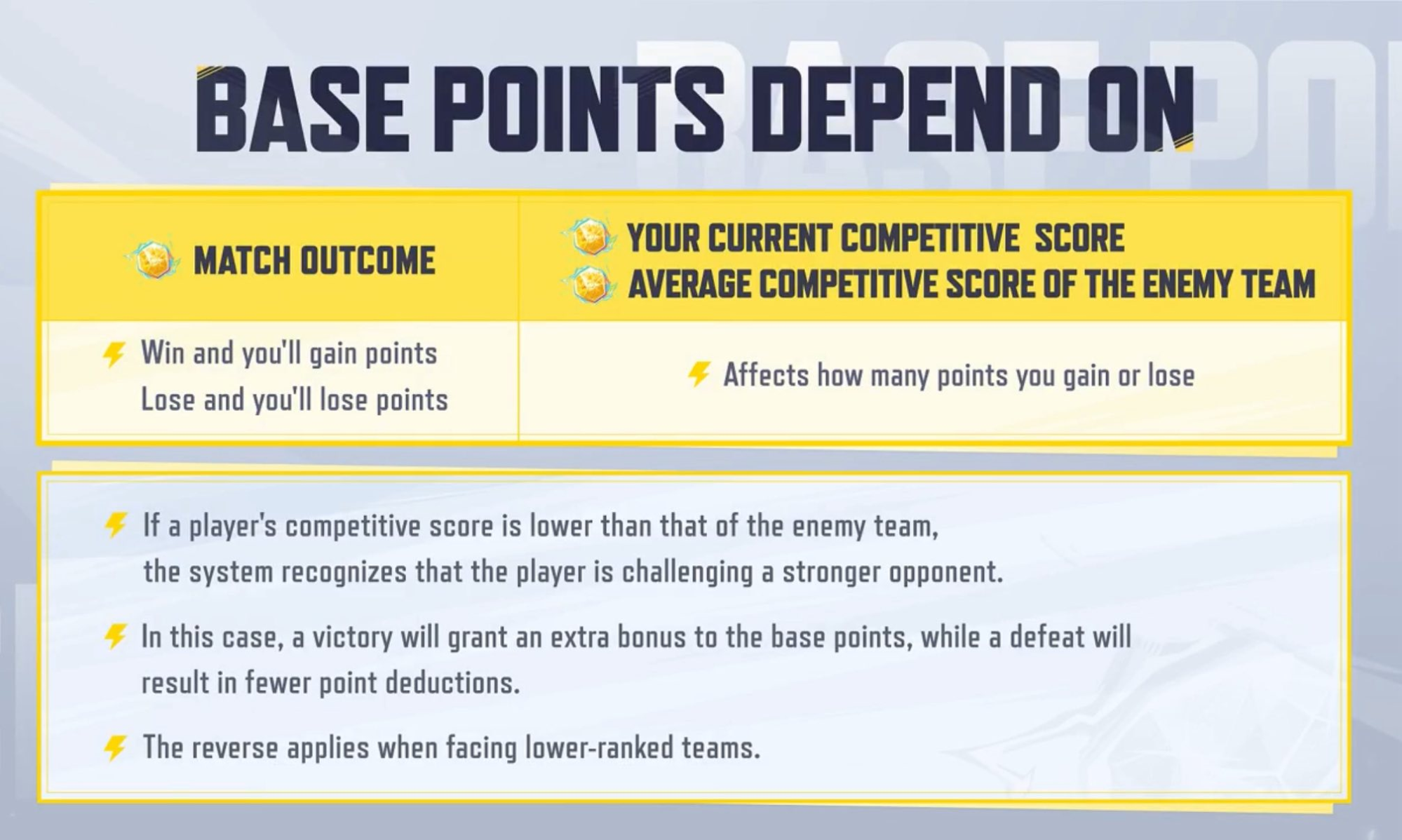
Winning a match earns you rank points, losing a match loses them, and the exact amount depends on your current tier, enemy team's competitive score, and how you personally performed. Though the rank points formula is not officially disclosed.
Every tier takes 100 rank points to clear one division, so a full rank leap from Silver III all the way to Gold III costs 300 points. Winning streaks multiply your rank point gains, so stringing together four or more victories in a row can skip divisions entirely when you are near the top of a tier.
The system weighs individual stats more heavily than most of its shooter peers. Kills, objective time, and lower death rates all feed into your rank point gain, which means support and tank mains finally stopped getting punished for filling roles their team needed. That solo-performance weighting was introduced in Season 2 and remains the backbone of how rank points are calculated today.
If you are working through placements for the first time, I'd recommend playing the hero you know, avoiding ego-picking off-role, and keeping your death count low.
Chrono Shield, Rank Decay, and Demotion
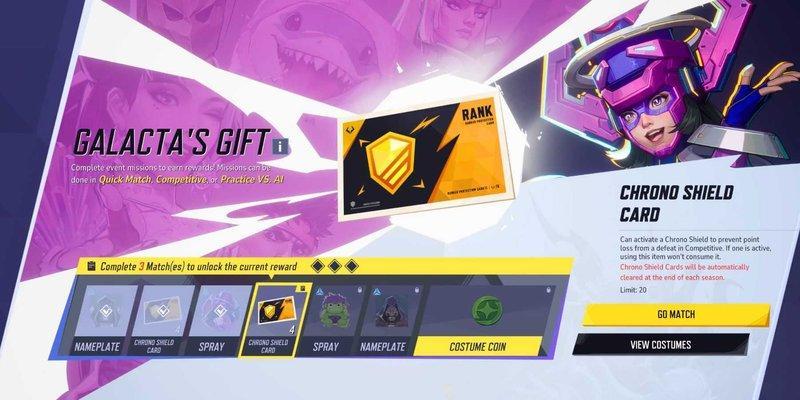
Marvel Rivals has a rank-demotion buffer for Gold and below, called the Chrono Shield. If you hit a losing streak right after promoting into a new division, the shield absorbs the first loss that would otherwise demote you. It is not unlimited. Once the shield pops, you have to win matches before it recharges, and higher tiers require more wins to refill it.
Above Celestial, rank decay kicks in. Eternity and One Above All players lose rank points if they stop queuing for a set amount of time, which is why you will see streamers grinding ranked soon before a season ends. Decay far enough, and you can demote out of Eternity and back into Celestial II. For the 500 players fighting over the One Above All rank, it is the entire game.
Below Celestial, demotion is gentler. Lose enough matches at 0 rank points in your current tier, and you drop a division, but your highest rank achieved that season is still locked in for reward purposes. That matters a lot when the season ends, and rewards are distributed based on the highest rank you hit.
Marvel Rivals Ranked Rewards

Ranked rewards in Marvel Rivals are distributed at the end of the season based on the highest rank achieved, not the rank you finish at. Here is the Season 7 reward structure, which is a good reference for future seasons:
- Gold III and above: White Fox Secret Agent costume, Black Cat Beguiling Blue skin
- Platinum III and above: City Stories nameplate frame
- Diamond III and above: Tablet Tales nameplate frame
- Grandmaster III and above: Grandmaster Crest of Honor
- Celestial III and above: Celestial Crest of Honor
- Eternity: Eternity Crest of Honor
- One Above All: One Above All Crest of Honor
- Top 500 finish: Exclusive gold Top 500 Crest
You also need to play at least 10 ranked matches during the season to collect any of it. Crests of Honor themselves are nameplate icons, little flex badges that sit on your profile. New Crests are minted for every season half, which is why rewards from previous seasons hit harder the further you get from launch. The Season 0 Golden Moonlight skin for Moon Knight is still a rare collection for OGs.
How to Unlock Ranked Mode
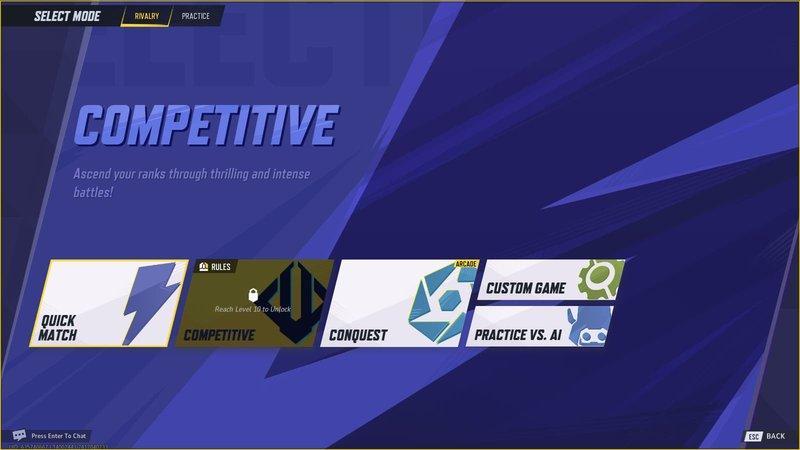
You cannot queue Marvel Rivals competitive ranks straight out of the tutorial. To unlock competitive mode, you’re required to reach level 15 in Quick Play and other casual modes. Your first-ranked match drops you into 10 placements that use the individual-performance scoring, then the ladder starts for real. Pro tip: You can tackle placements with a pro coach actually watching your mistakes.
Barry is a gaming writer and former high-elo player covering coaching tips, champion guides, and esports news.
All articles by BarryTurn knowledge into rank
Get a verified pro to review your gameplay and give you a plan.