How Do CS2 Teams Make Money?
Table of Contents
A Counter-Strike 2 organization pays its players monthly, but the money arrives in lumps, and little of it comes from winning.
So, where does it all come from?
First, sponsorships are the biggest and most consistent revenue source for CS2 teams. Next comes Valve's share of Major sticker sales, then prize money and tournament organizer payouts, with merchandise, streaming, and player transfer fees filling the gaps.
All the revenue opportunities above sound great, but only a handful of top orgs actually make a real profit. So, in this article, we'll answer the question in more detail and break down the actual numbers. Let's get into it.
Prize Money and Tournament Organizer Payouts
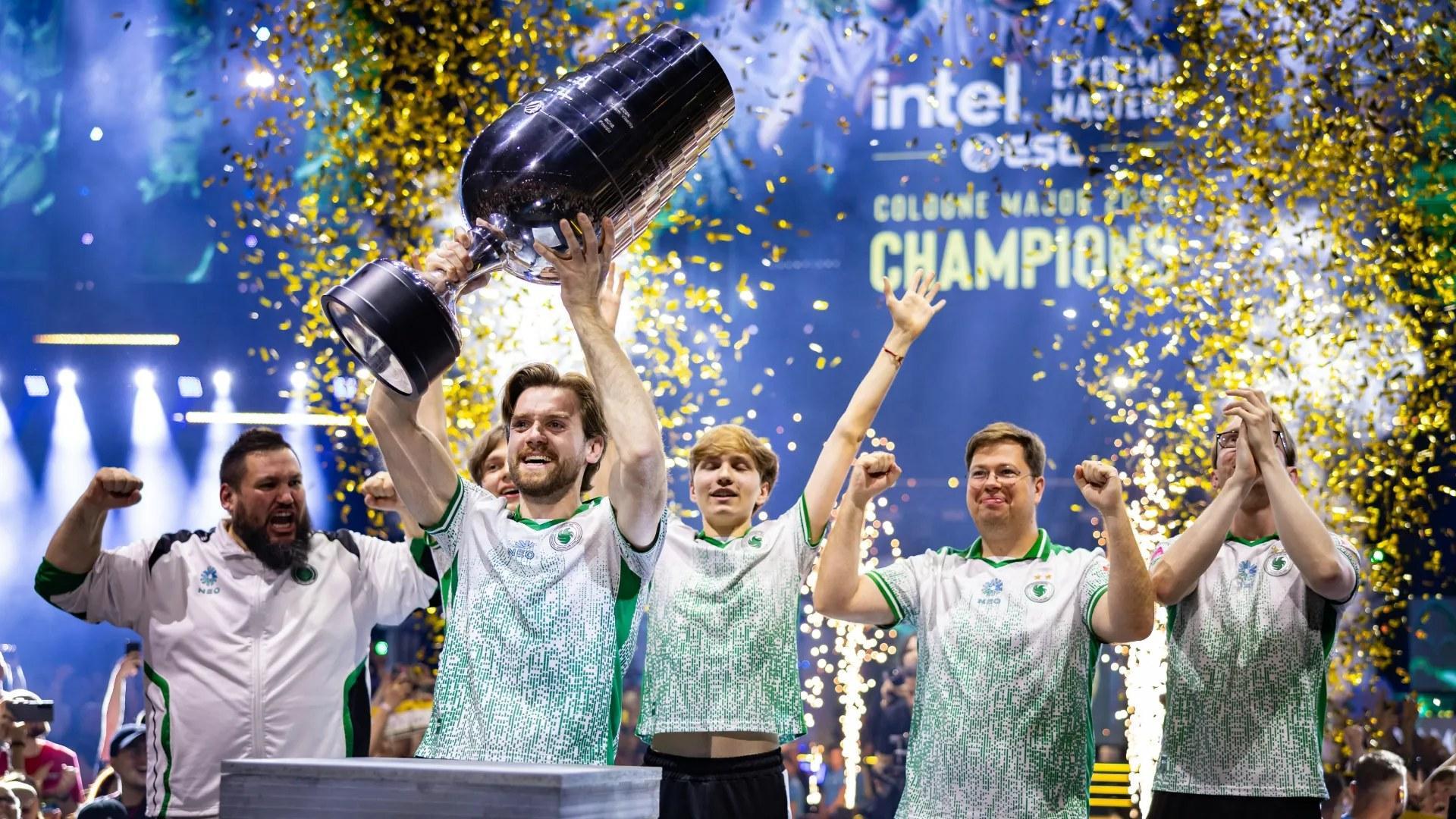
Prize money always grabs the headlines; however, it pays much fewer bills than fans assume. Team Falcons banked $500,000 for winning the Cologne Major 2026, runner-up FURIA took $170,000, and 5th through 8th earned $45,000 each from a $1.25M prize pool. Most of that goes to players, and the org keeps a minority cut under contract. For example, GOCORE reported that Tarik's share of a $500k Major win came to about $70k after cuts and taxes.
Organizers pay more reliably, though. For example, ESL's Pro Tour paid $11,450,000 to teams and players in 2025, and only part was prize money. The rest came as club rewards tied to placement and the viewership a team brings, plus a $1M Grand Slam bonus Team Vitality triggered. BLAST added a $2M Frequent Flyers pool for regular attendees, and PGL and the Esports World Cup offered even more! The problem, though, is that the Valve Regional Standings (VRS) decide who gets invited to all of it, so low-ranking teams never see this money.
Merchandise, Jerseys, and Streaming Revenue
Merch is the line fans see most and orgs bank least. Jersey and streetwear drops from NAVI, Vitality, and FaZe carry strong margins, but a niche fan base caps how much can sell. Organizers also own the events, so ticket money reaches teams only indirectly (ESL says ticket sales help fund its club rewards).
Streaming is brand-building first and income second. Orgs run Twitch and YouTube channels, keep content creators on the payroll, and sign watch-party and co-stream deals that turn fan attention into sponsor impressions.
Player Transfers and Buyout Fees
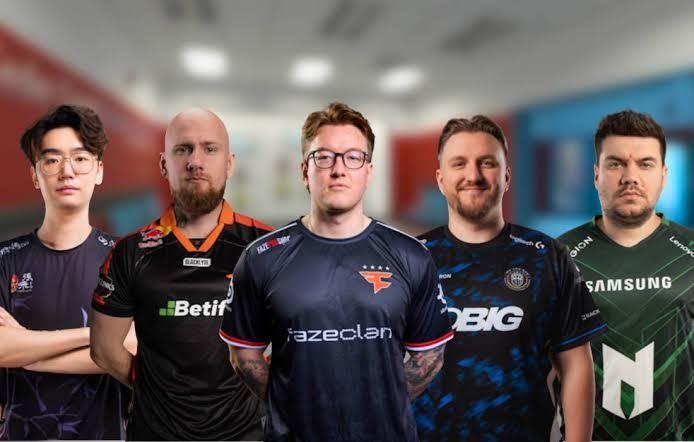
CS2 contracts carry buyout clauses, so a player who outgrows a roster becomes a sellable asset, and the bigger organization that wants them pays the seller a transfer fee. Academy teams turn this into a pipeline; for example, MOUZ NXT and NAVI Junior sign young players cheaply, harden them in tier-2 events, then promote the best or sell them on.
Development moves the price, as orgs pay coaches and analysts because sharper aim, utility, and game sense make a player worth more. Similarly, players chasing a contract invest in CS2 coaching for the same reason.
How Major Stickers Pay CS2 Teams
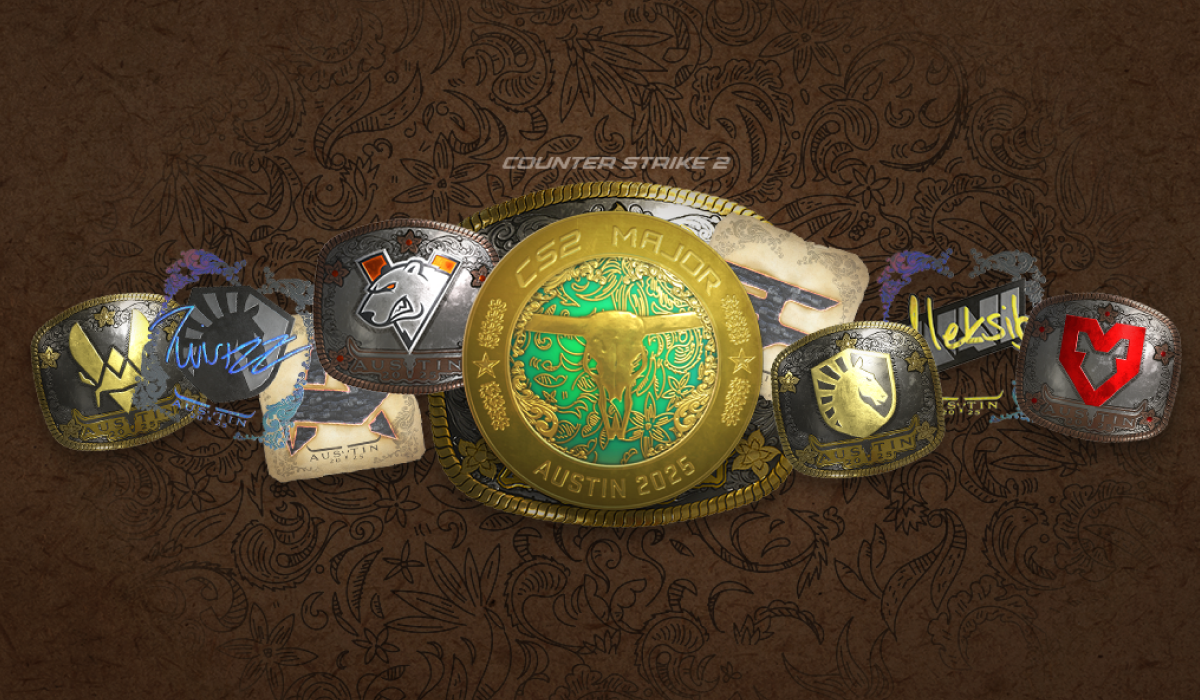
No other esport has this revenue line. At every Major, Valve runs a 50% revenue share on sticker sales with the organizer, teams and players. From the Intel Extreme Masters (IEM) Cologne Major 2026, random sticker capsules gave way to an in-game shop with dynamic pricing, and the team pool is now split by final placement: 2.85% of revenue for the champion, down to 0.72% for 31st and 32nd.
Valve paid over $70M to orgs, teams and players in the 12 months to August 2022, and HLTV estimated Paris Major 2023 sticker money topped $110M, with $2.6M to $4.5M per team. Cologne paid many teams far less, but for a tier-2 roster, simply qualifying for a Major can still beat a year of prize money.
Teams used to negotiate the split, with Esports Insider's sources describing team sticker money as roughly 50/50 between orgs and players, with orgs pushing for more, while autograph money stayed with the player. Those days seem long gone now, though, with Valve's shop settling on a 50/50 split: half of each team's royalty goes to the org, and the five players split the rest equally.
Sponsorships Are the Biggest Revenue Source
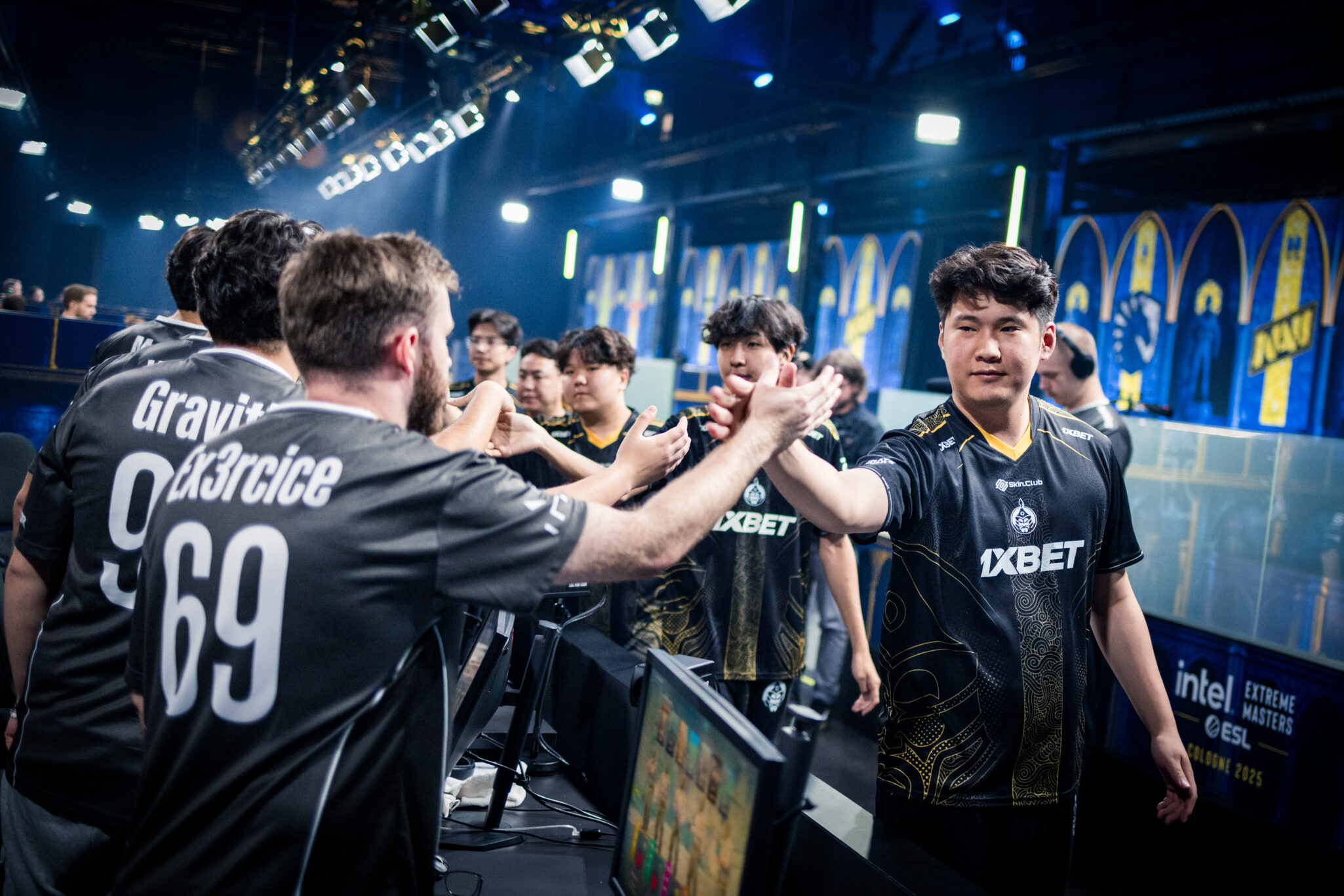
Sponsors buy jersey space, broadcast and social exposure, co-branded content, and access to one of esports' most attentive audiences. That cash pays an organization's salaries, bootcamps, and travel. Deal values almost never go public. Most esports teams run on the same model, but CS2's logos are stranger.
Betting Sponsors and Skin Platforms
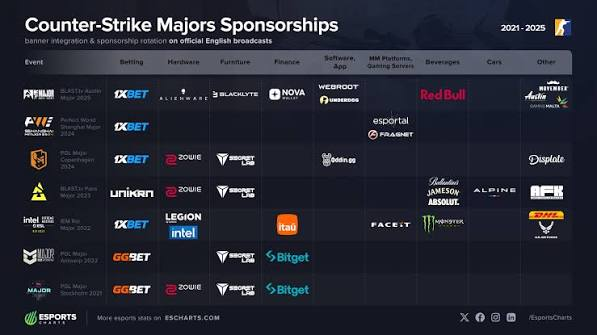
Blame the skins. Valve's open Steam economy allows third-party skin marketplaces to exist (Riot's closed Valorant economy doesn't), and CS2 tops most esports betting sites. Betting sponsors and skin platforms pay well for jersey space, and Aurora even signed crypto prediction market Polymarket ahead of its Cologne Major 2026 run.
This isn’t unique to CS2, either; traditional sports clubs wear similar logos. Back in 2019, League of Ireland side Waterford FC carried Spin Casino on its first-team home and away jerseys. The brand belongs to Super Group (NYSE: SGHC), the same company that put Betway on Counter-Strike jerseys as Ninjas in Pyjamas’ main sponsor from 2016, followed by deals with MIBR, BIG, FURIA, BLAST and ESL Pro League.
Energy Drink and Hardware Sponsors
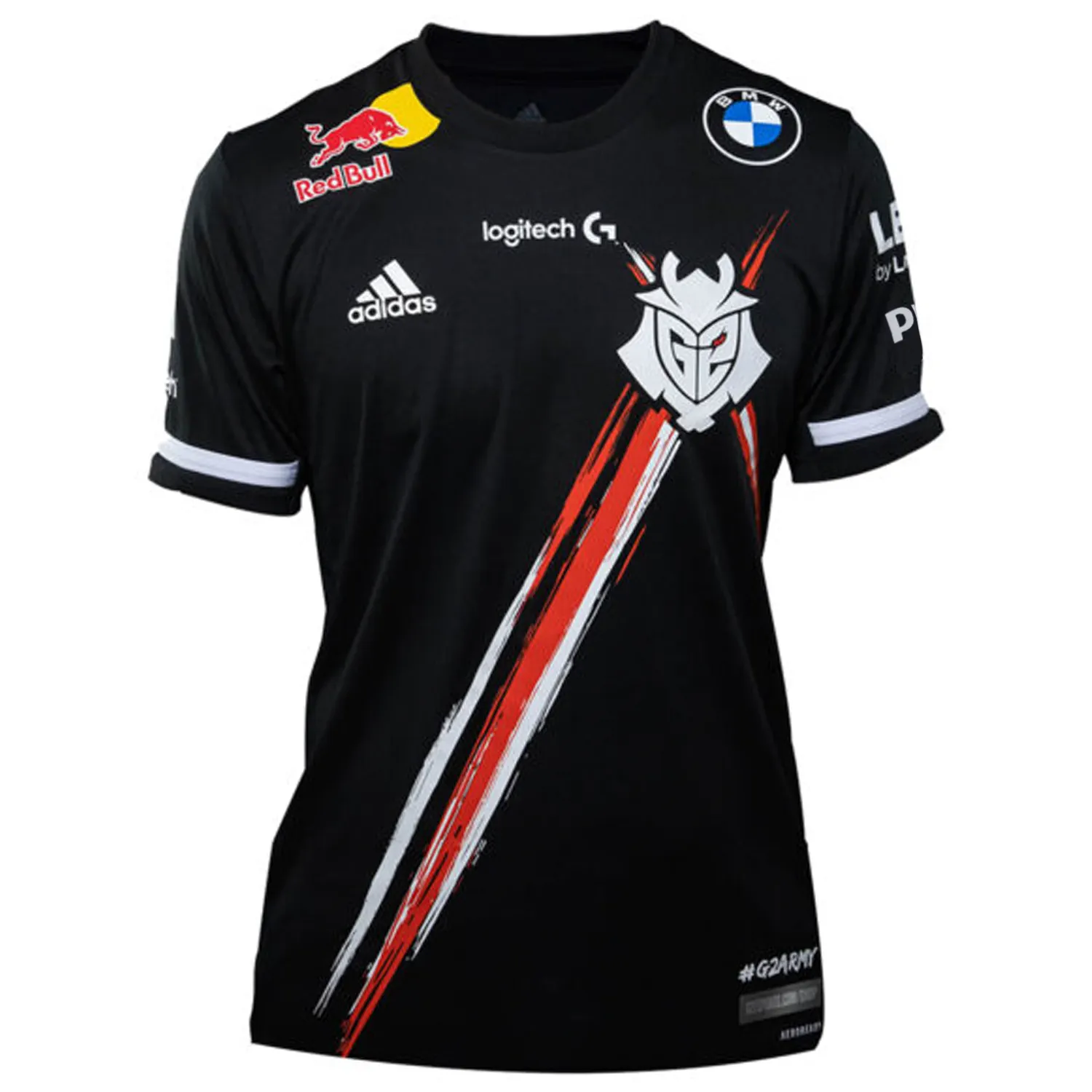
Other brands chase the same eyeballs. Red Bull put its logo on G2 Esports jerseys, and FaZe Clan's return to G FUEL came with an equity stake in the energy drink brand. Hardware sponsors often pay partly in gear, too: ASUS ROG has supplied Team Vitality with peripherals and PCs through 2026 and takes the left sleeve of the CS2 jersey, while Logitech G has long equipped Natus Vincere.
Why Many CS2 Teams Still Lose Money
The cost side is brutal. GOCORE reports tier-1 salaries of $5k to $80k a month and tier-2 pay of $1k to $5k, before coaches, analysts, psychologists, bootcamps, and travel. Meanwhile, sticker royalties and organizer payouts flow to teams that reach Majors and rank high in the VRS, so tier-2 rosters carry real payrolls with almost none of the upside.
Frequently Asked Questions
Why Doesn't CS2 Have Franchised Leagues?
Valve's rules for large events, from 2025, bar tournament organizers from special business relationships with participating teams. Invites must come from the VRS or open qualifiers, and prize money must be public and set by objective criteria. All 32 teams at the StarLadder Budapest Major 2025 came straight from the VRS. Teams pay no league buy-in, but they also get no guaranteed slot or franchise revenue share.
Who Is the Highest-Paid CS2 Player?
Salaries are rarely published, so every figure here is reported, not confirmed. GOCORE reported NiKo at around $95,000 a month at Team Falcons in December 2025. Figures leaked in 2022 had s1mple at about $50,000 a month and ZywOo at about $40,000. More recent reports put ZywOo and s1mple at or above that level, so there is no settled answer.
Is Donk a Millionaire?
Almost certainly. Esports Earnings lists about $1.14 million in career prize money for donk, helped by Team Spirit's Esports World Cup 2026 title. His salary and Major sticker royalties sit on top, and neither is public, so nobody outside Spirit can honestly say what donk earns per month.
Barry is a gaming writer and former high-elo player covering coaching tips, champion guides, and esports news.
All articles by BarryTurn knowledge into rank
Get a verified pro to review your gameplay and give you a plan.